
Te damos la bienvenida a Paracel
Impulsando el desarrollo sostenible desde el sector forestal
A través de nuestras operaciones, implementando un manejo forestal sostenible, promovemos la conservación de los recursos naturales, contribuimos a la captura de carbono y fortalecemos el desarrollo económico y social de las comunidades en nuestra área de influencia, impulsando el desarrollo del país.
Los créditos de carbono de Paracel combinan alta integridad ambiental con beneficios para la biodiversidad y las comunidades locales. Se desarrollan siguiendo el estándar VCS utilizando la metodología VM0047 de Verra, en combinación con el estándar CCB, respaldado por la Certificación Forestal y la implementación de las Normas de Desempeño de la IFC.
En 2026 habremos capturado:
6.4M
de toneladas de CO₂
Para el 2030 habremos capturado:
29M
de toneladas de CO₂
Para el 2040 queremos retirar* más de:
50M
de toneladas de CO₂
Eso equivale a más de:
800k
viajes en coche desde El Cairo a la ciudad del Cabo.
Eso es más que:
15m
de vuelos de Nueva York a Tokio.
Esto equivale aproximadamente a:
2 años
de emisiones de CO2e de Los Ángeles.
*Referencia a los pronósticos de generación de unidades de carbono
MRV
MRV: rigor y transparencia en cada hectárea
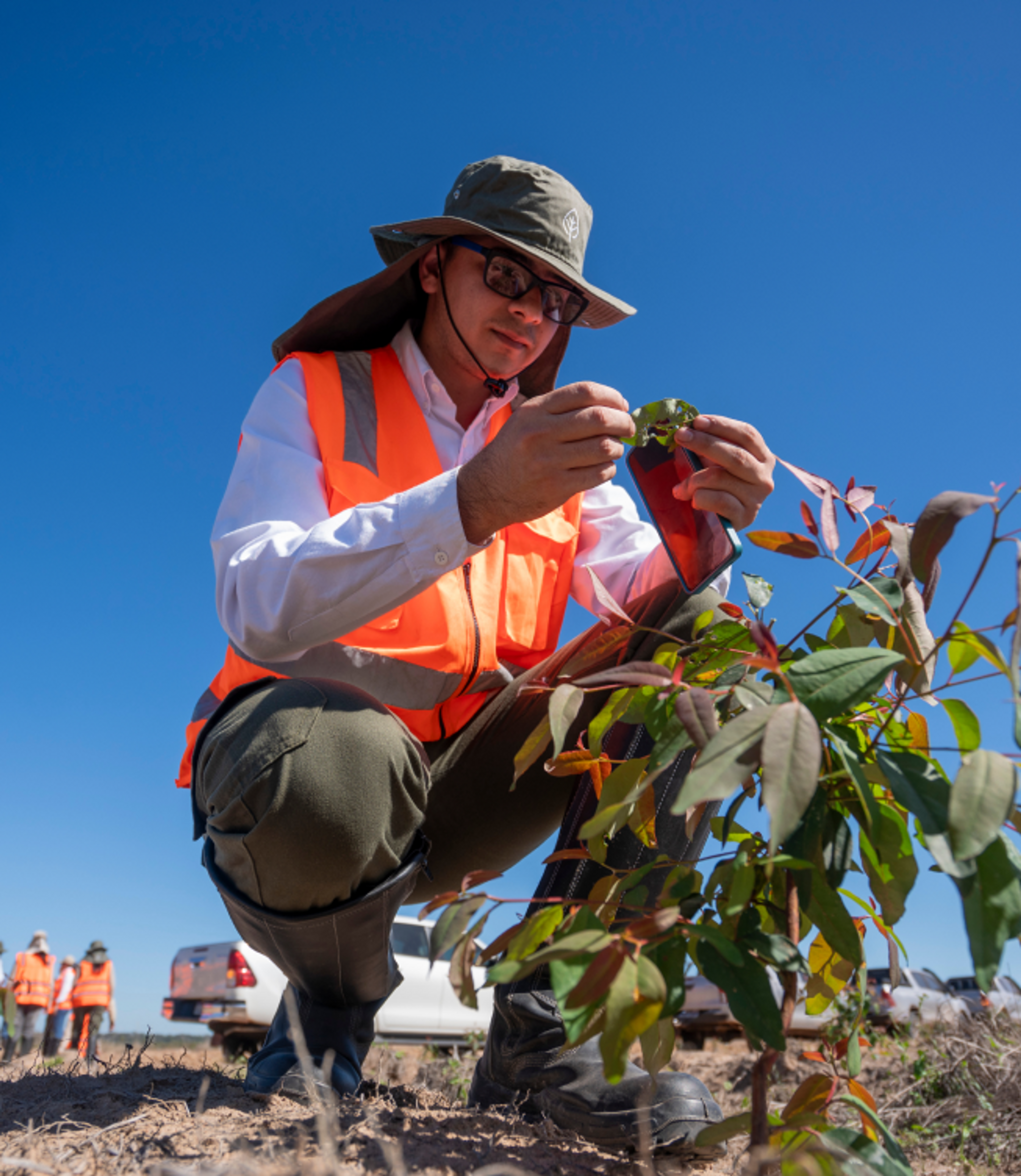
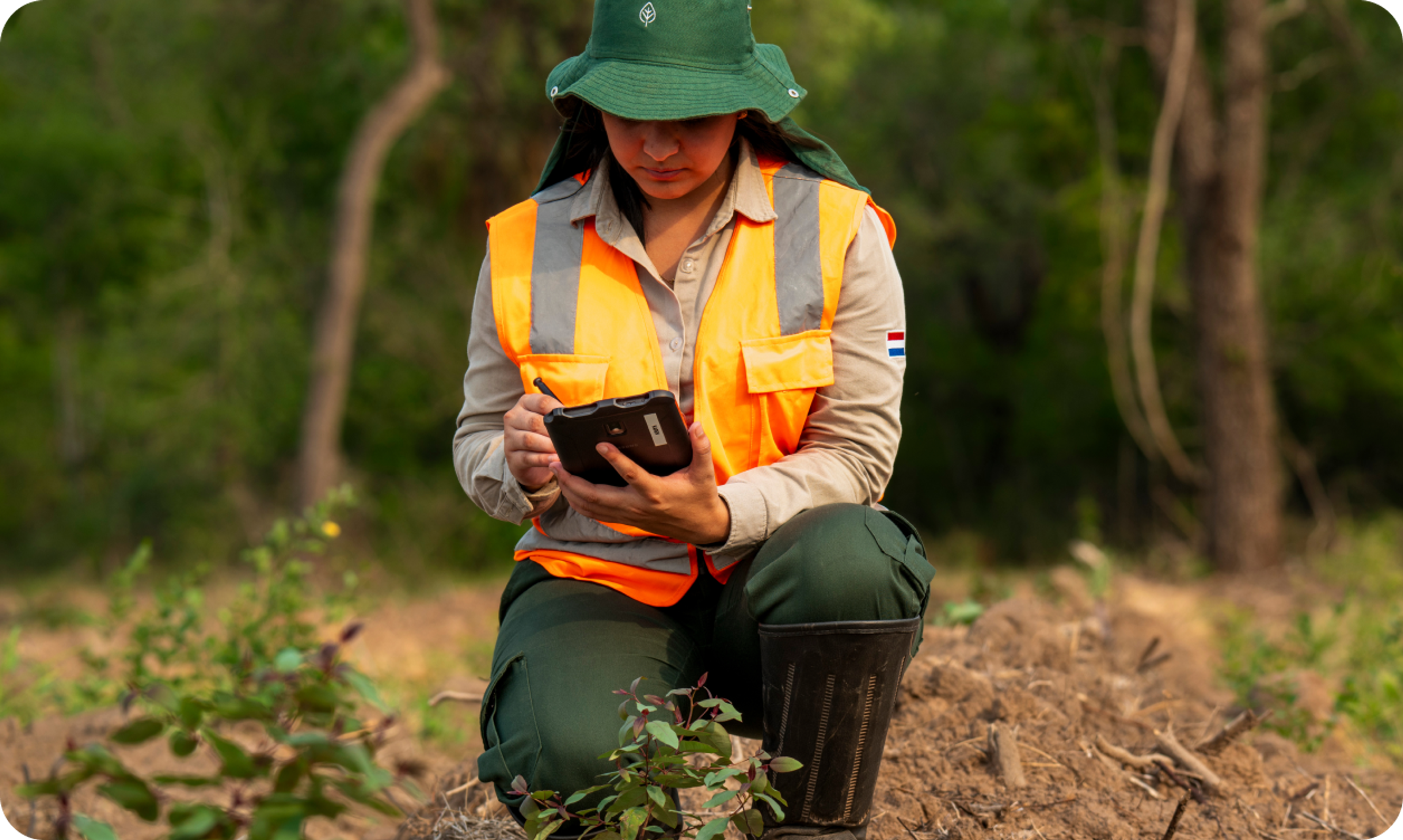
Nuestro sistema de Monitoreo, Reporte y Verificación (MRV) integra mediciones de campo y tecnologías avanzadas para garantizar un seguimiento preciso, transparente y confiable del proyecto. A través de una red de parcelas permanentes distribuidas en toda el área de intervención, equipos especializados realizan inventarios forestales periódicos que permiten cuantificar el carbono almacenado en la biomasa y el carbono orgánico del suelo, utilizando información obtenida directamente en terreno.
Además del monitoreo mediante parcelas permanentes, Paracel implementa un sistema integral de monitoreo, que combina herramientas digitales con inspecciones de campo para evaluar y gestionar potenciales riesgos de manera oportuna. Entre las principales actividades de monitoreo se incluyen:
✓ Prevención y detección de incendios, mediante monitoreo satelital, torres de vigilancia equipadas con sistemas automáticos de detección de columnas de humo, brigadas especializadas de prevención y combate de incendios, y programas de capacitación dirigidos a colaboradores, colaboradoras y comunidades vecinas.
✓ Monitoreo fitosanitario, para la detección temprana de plagas, enfermedades y otros disturbios, mediante inspecciones de campo complementadas con drones.
✓ La combinación de mediciones directas en campo, monitoreo continuo y herramientas tecnológicas permite generar información confiable y trazable para respaldar la cuantificación de las remociones de carbono y la gestión adaptativa del proyecto.
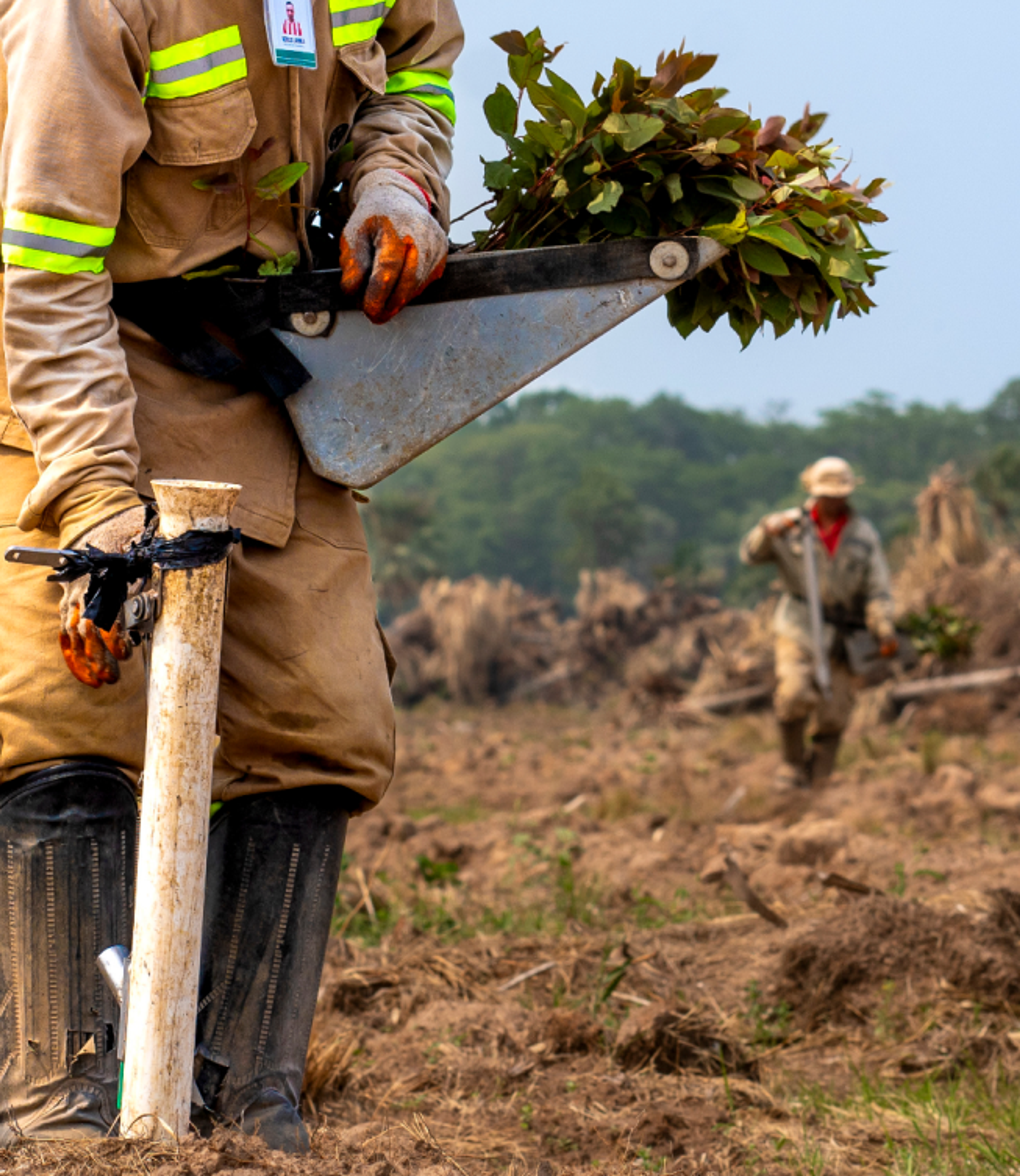
Paracel busca generar un impacto positivo en la economía paraguaya, a nivel local e impulsando el desarrollo del país.
Creación de un nuevo sector
El Proyecto Forestal de Carbono Paracel ARR está contribuyendo a fortalecer el crecimiento del sector forestal en Paraguay
A lo largo de la implementación del Proyecto Forestal de Carbono Paracel ARR, mediante inversiones continuas y acciones de largo plazo, se prevé generar impactos positivos en una región que enfrenta importantes desafíos socioeconómicos, entre ellos:
✓ La creación de más de 3.000 puestos de trabajo a lo largo del desarrollo del proyecto.
✓ La capacitación de más de 5.000 personas mediante programas de formación profesional y técnica, incluyendo iniciativas dirigidas a mujeres y comunidades indígenas.
✓ La ampliación del acceso a servicios básicos, como agua, electricidad y caminos, así como el fortalecimiento del acceso a servicios de salud, el acompañamiento a la producción agrícola y el apoyo en la obtención de documentación.
✓ Más de 10.000 personas beneficiadas por mejoras en infraestructura y acceso a servicios de salud durante la implementación del proyecto.
✓ Más de 6000 niños beneficiados y niñas beneficiadas a través de inversiones en programas de apoyo a la educación.
Motor Económico
Un motor de desarrollo sostenible para el Paraguay
Lo que distingue al Proyecto Forestal de Carbono Paracel ARR es su capacidad de generar impacto a múltiples niveles. Su enfoque integrado combina silvicultura en tierras degradadas con la conservación y restauración de ecosistemas nativos, incluidos bosques y sabanas. Durante sus 50 años de implementación, este busca remover más de 50 millones de toneladas de CO₂ equivalente y conservar y restaurar cerca de 80.000 hectáreas de ecosistemas naturales, contribuyendo de manera significativa a la acción climática y a la protección de la biodiversidad.
Su verdadero valor va más allá de las métricas ambientales. En una región con importantes desafíos socioeconómicos, Paracel impulsa el acceso a empleo formal, el desarrollo de capacidades y la generación de nuevas oportunidades para las comunidades locales. De esta manera, el Proyecto Forestal de Carbono transforma los beneficios climáticos en oportunidades reales para las personas, impulsando un modelo de desarrollo sostenible que genera bienestar, fortalece las comunidades y deja un legado positivo para las generaciones presentes y futuras.
Impacto positivo
Reinversión del 10% de los ingresos del carbono.

Cada crédito de carbono genera un impacto que va más allá de la captura de carbono. El 10% de todos los ingresos por créditos de carbono de Paracel se invertirán directamente en programas de conservación y desarrollo comunitario.
Este modelo crea una fuente de financiamiento permanente para impulsar programas sociales y ambientales, fortaleciendo el bienestar de las comunidades y la protección de los ecosistemas a lo largo del tiempo.
Impacto positivo
Iniciativas enfocadas al acceso a servicios básicos, salud pública y generación de ingresos.

El departamento de Concepción tiene uno de los índices de pobreza más altos de Paraguay. Paracel busca contribuir a la disminución de este indicador, mediante la creación de oportunidades para las comunidades en su área de influencia.
Aplicamos una estrategia de Ganancia Neta de Biodiversidad: conservamos bosques y sabanas nativas del Cerrado, restauramos las áreas degradadas, y conectamos estas zonas con reservas y parques nacionales vecinos mediante corredores biológicos, con el objetivo de mejorar el estado de la biodiversidad en nuestra área de influencia, en comparación con lo que habría ocurrido en este paisaje sin la presencia de Paracel.
Ganancia neta de biodiversidad
Conservación y restauración del Cerrado paraguayo.
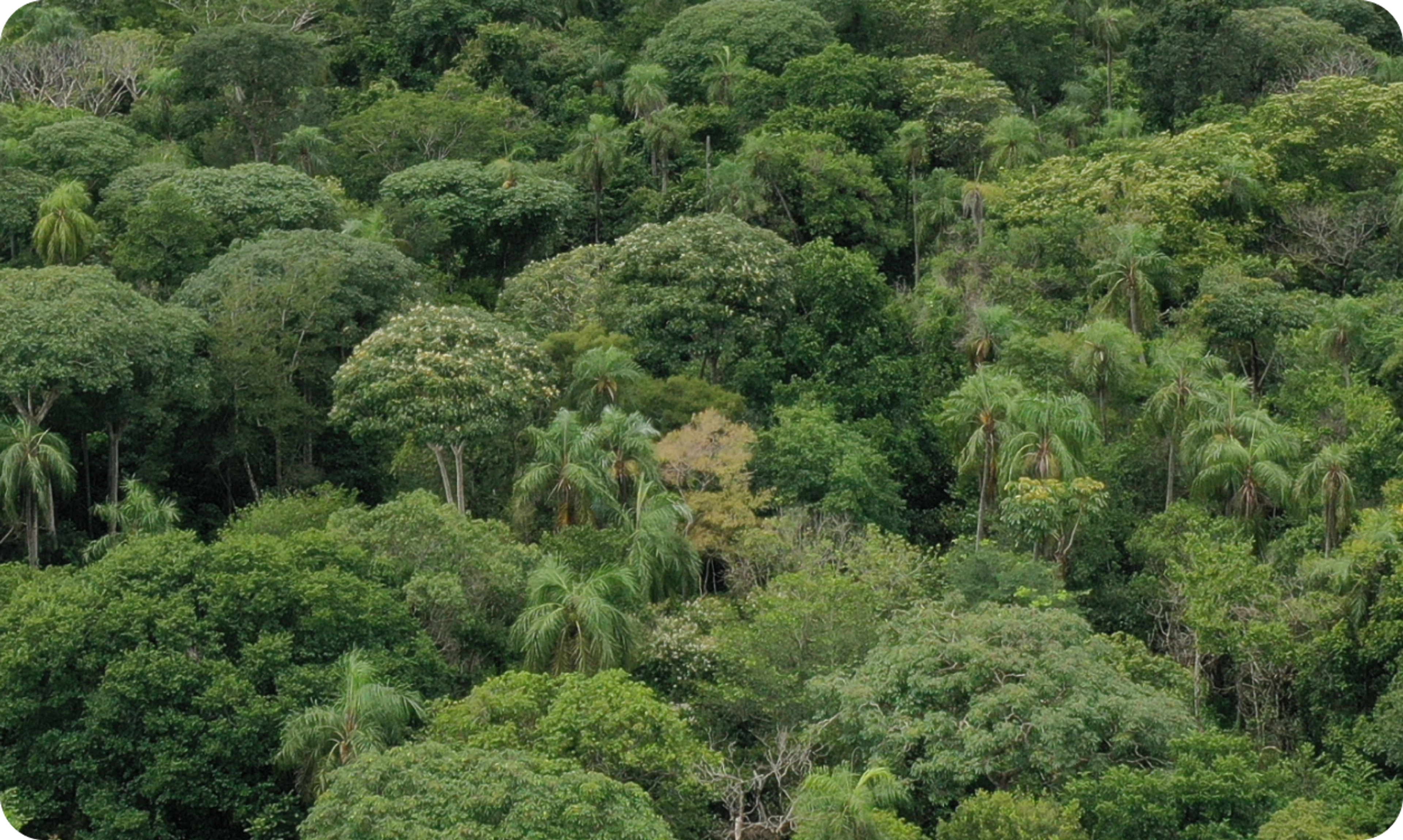
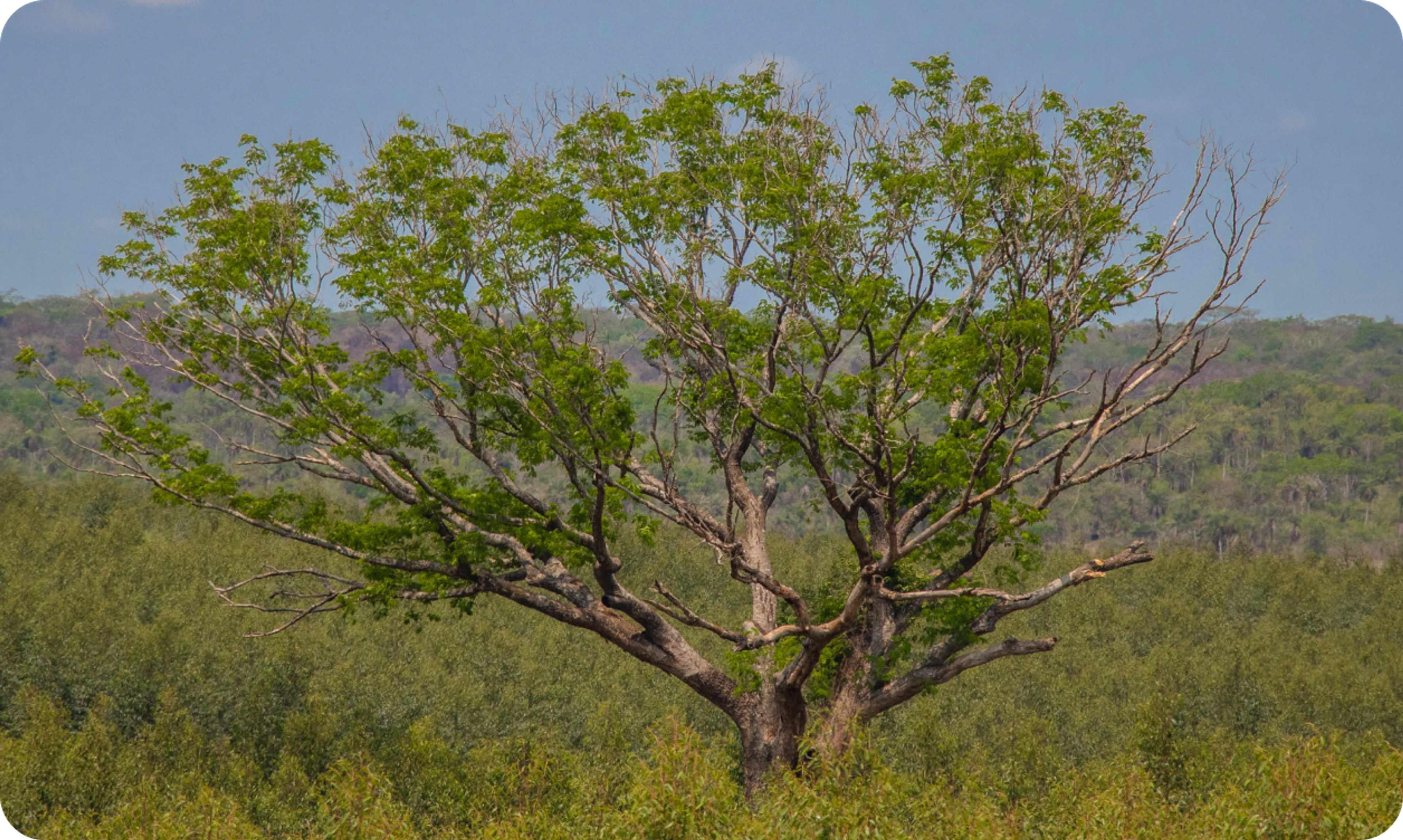
El Proyecto Forestal de Carbono conservará aproximadamente 65.000 hectáreas de bosques y restaurará cerca de 15.000 hectáreas de sabanas, dos de los ecosistemas más emblemáticos y biodiversos del Cerrado paraguayo.
Las acciones de restauración están orientadas a recuperar la integridad ecológica de estos ambientes mediante la eliminación de factores de degradación, como el pastoreo no planificado, los incendios y la tala ilegal. Estas acciones se complementan con procesos de regeneración natural asistida y, cuando es necesario, con intervenciones de restauración activa en áreas prioritarias.

Wildlife
Especies clave del Cerrado paraguayo.
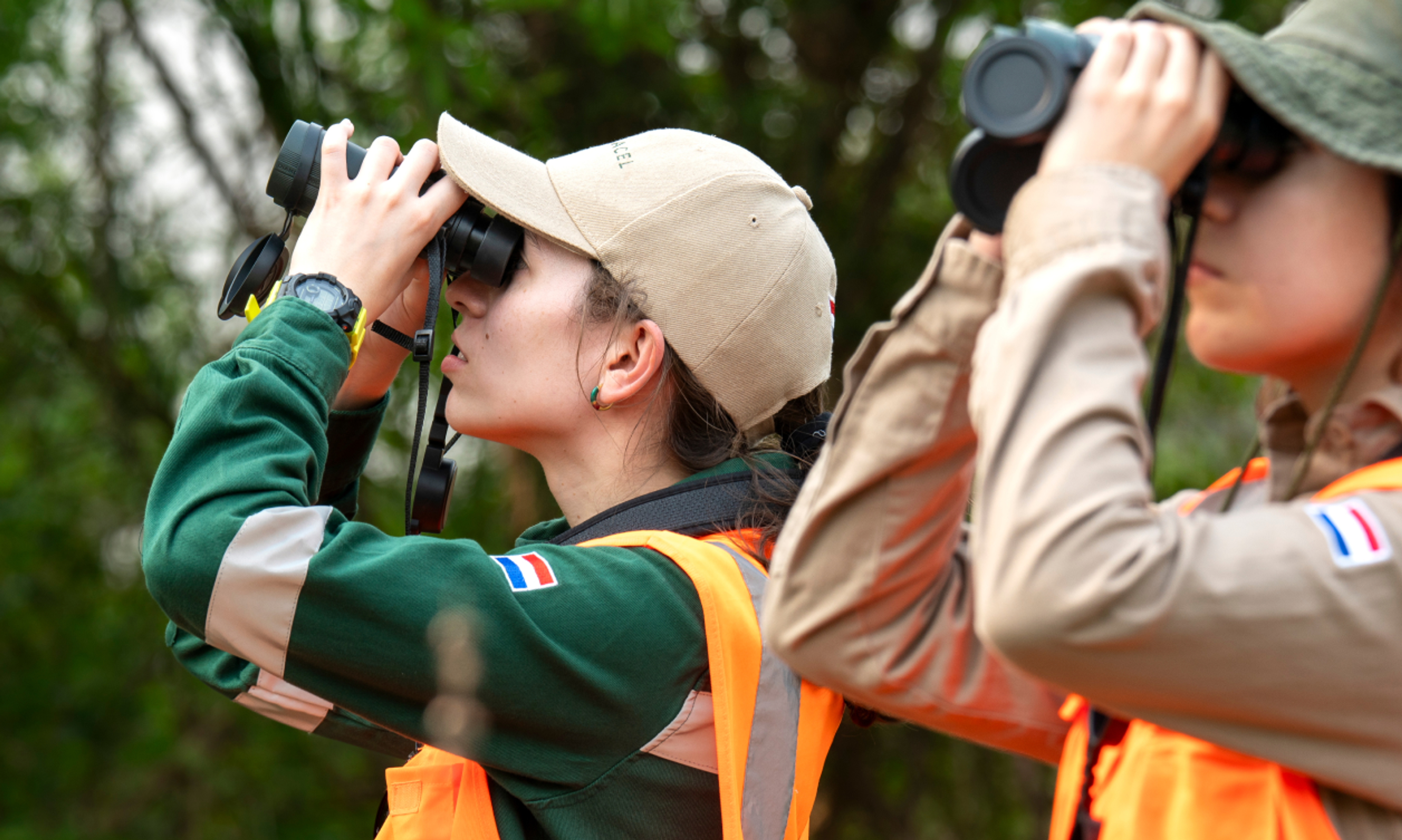
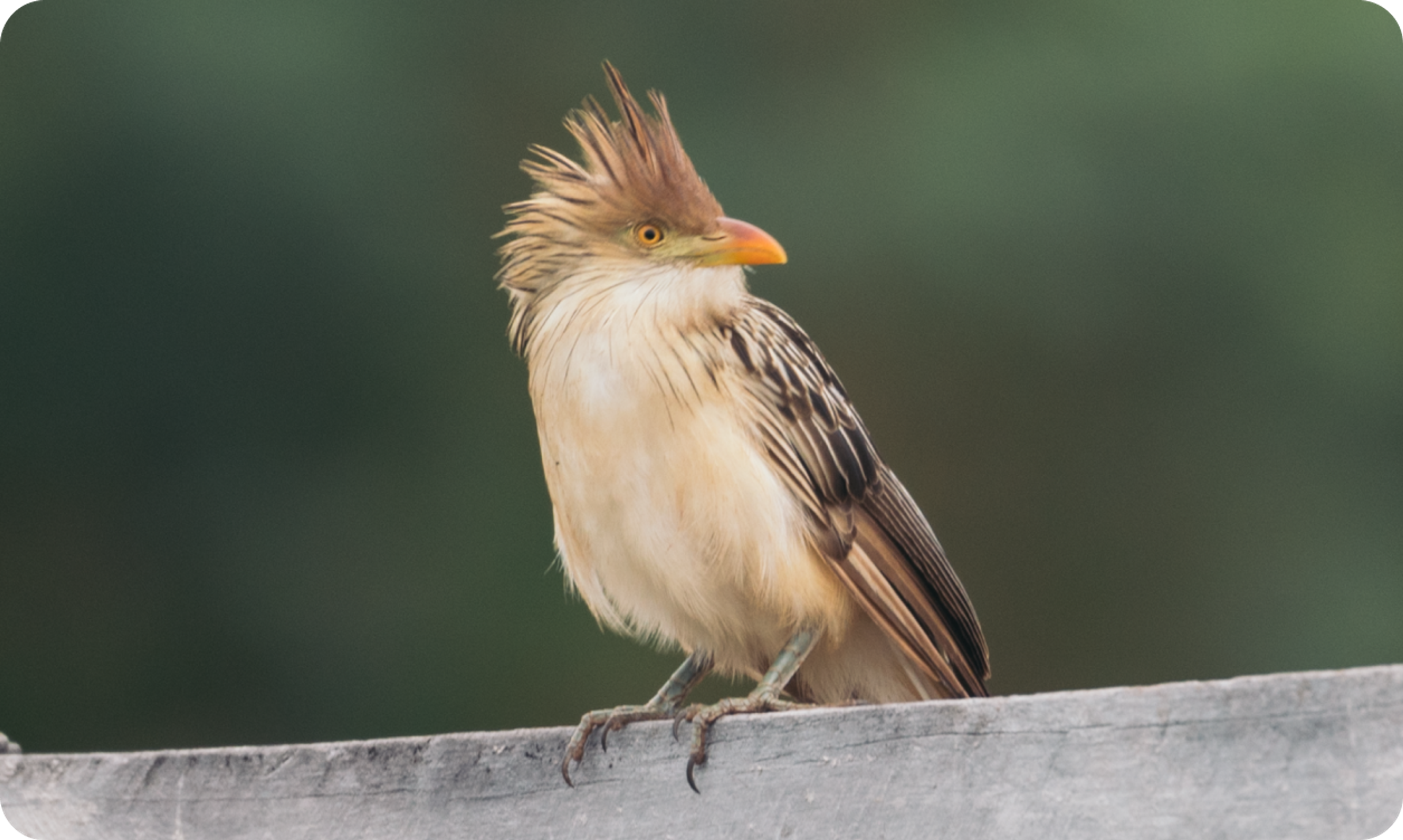
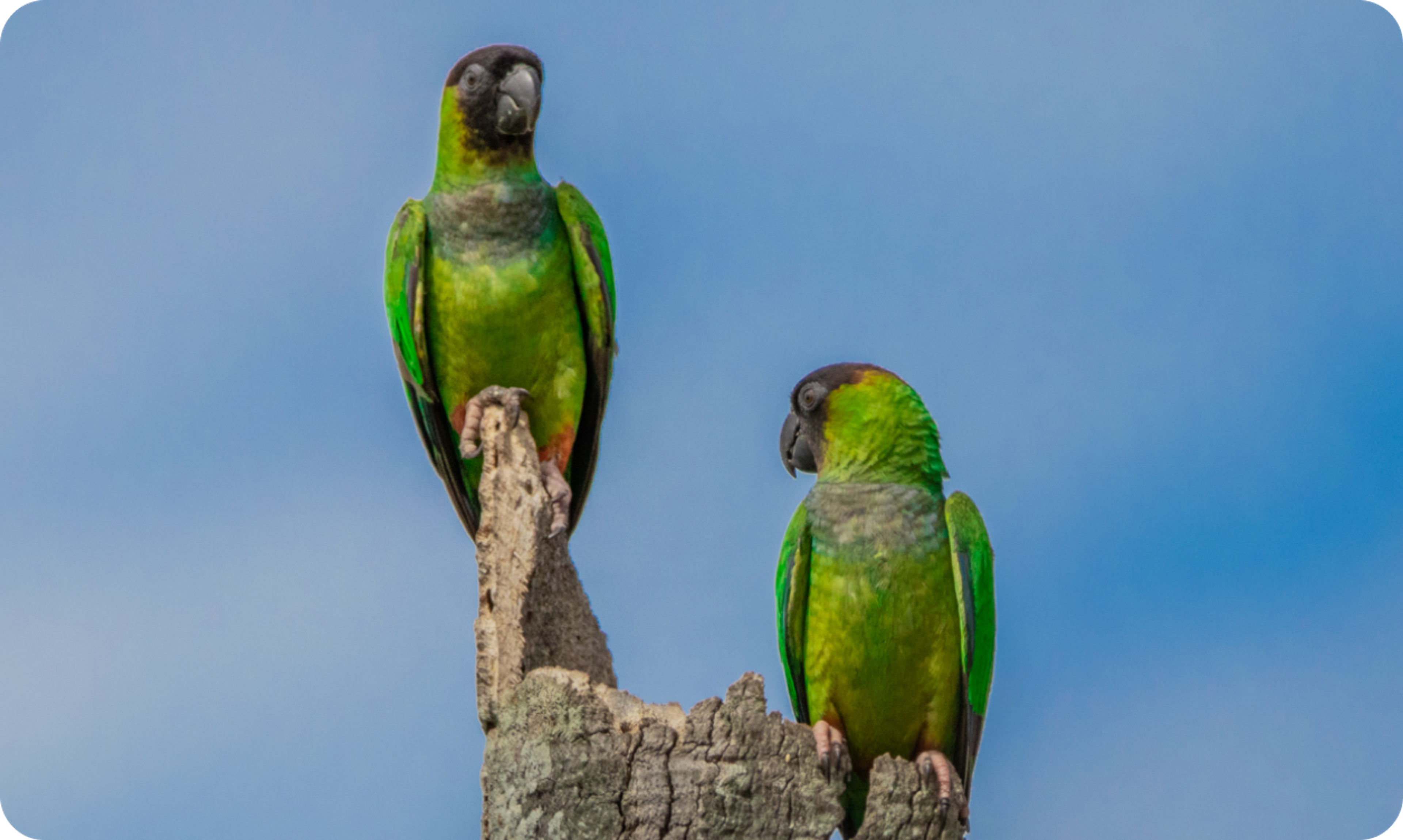
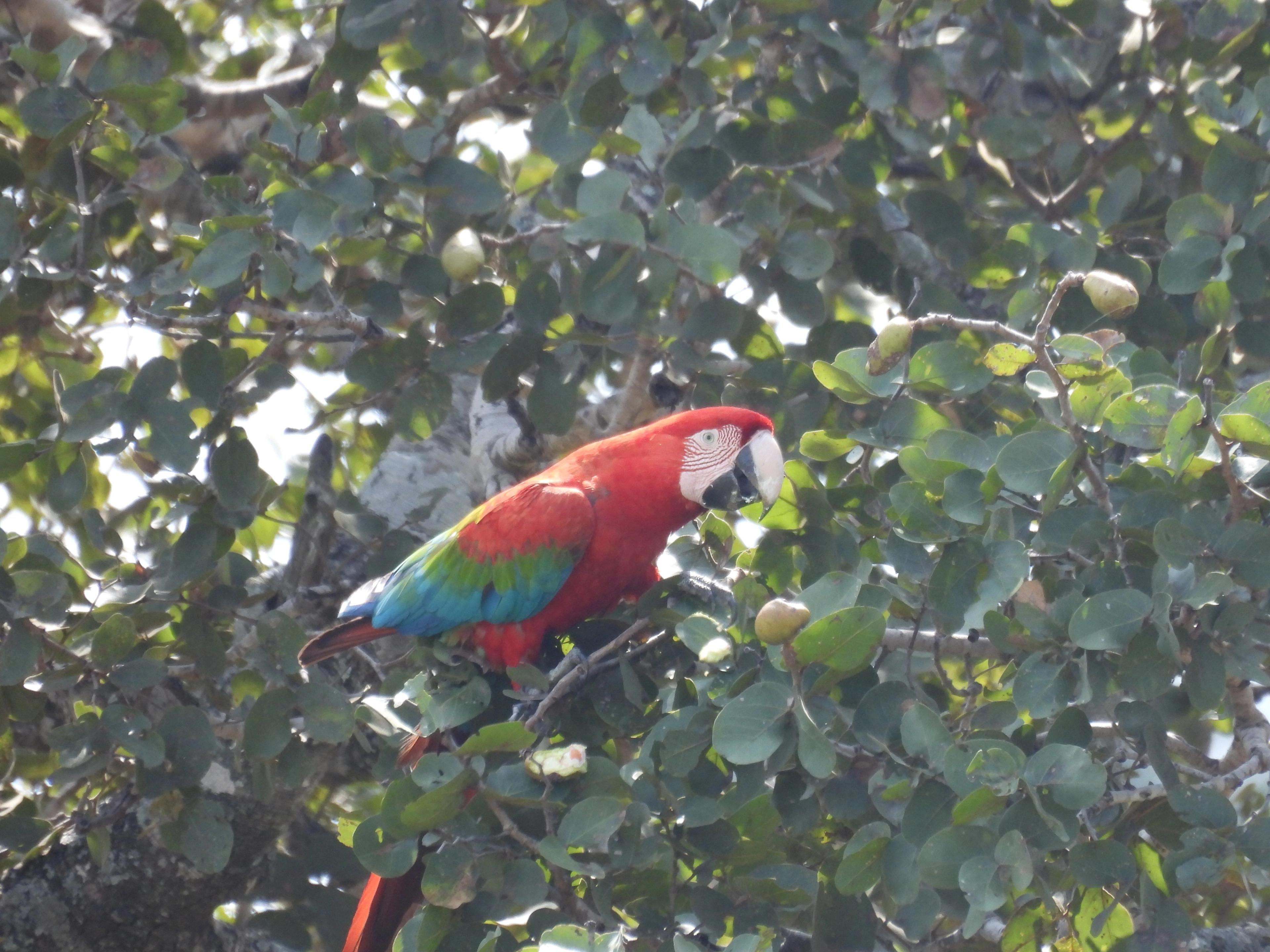
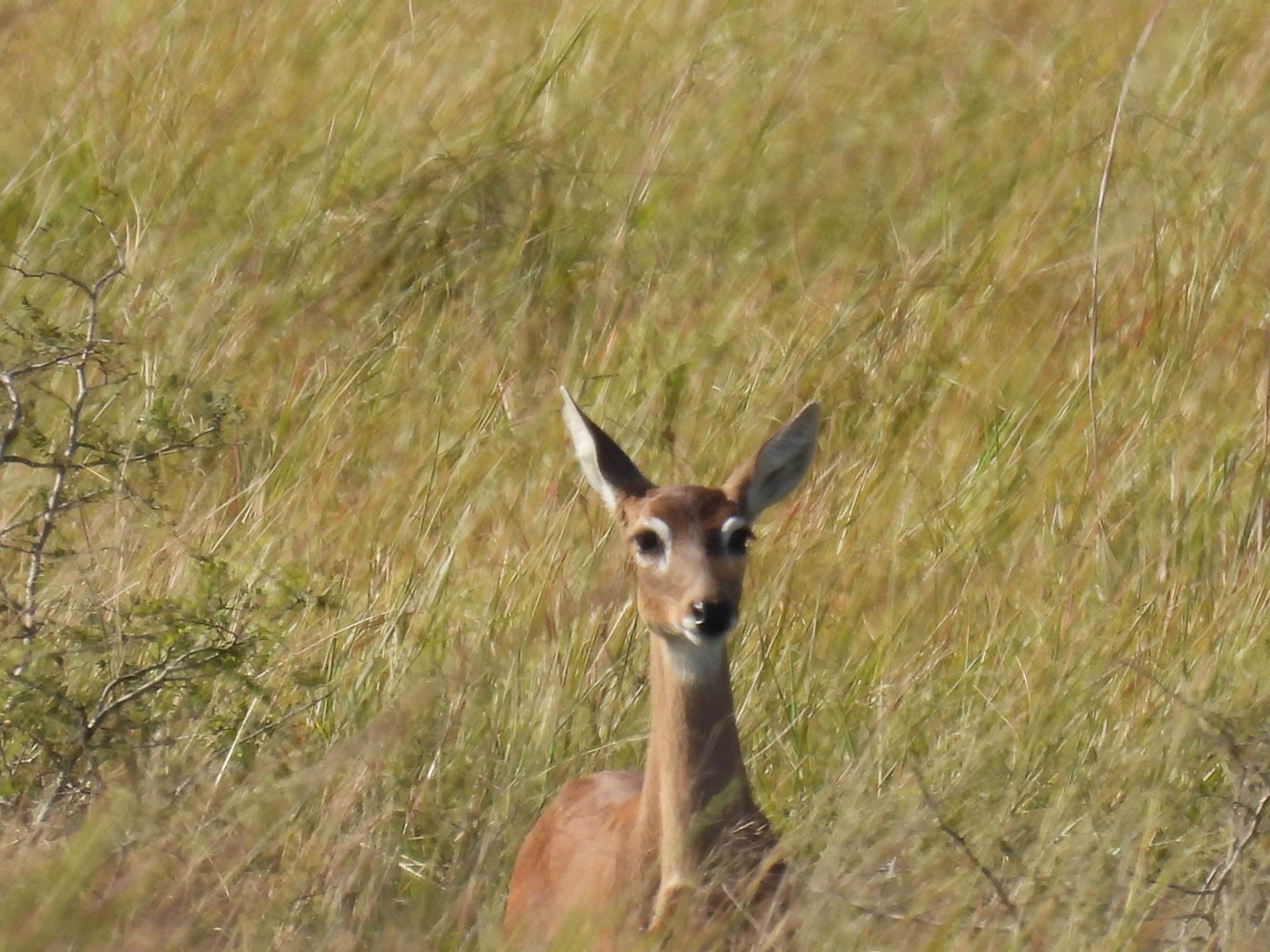
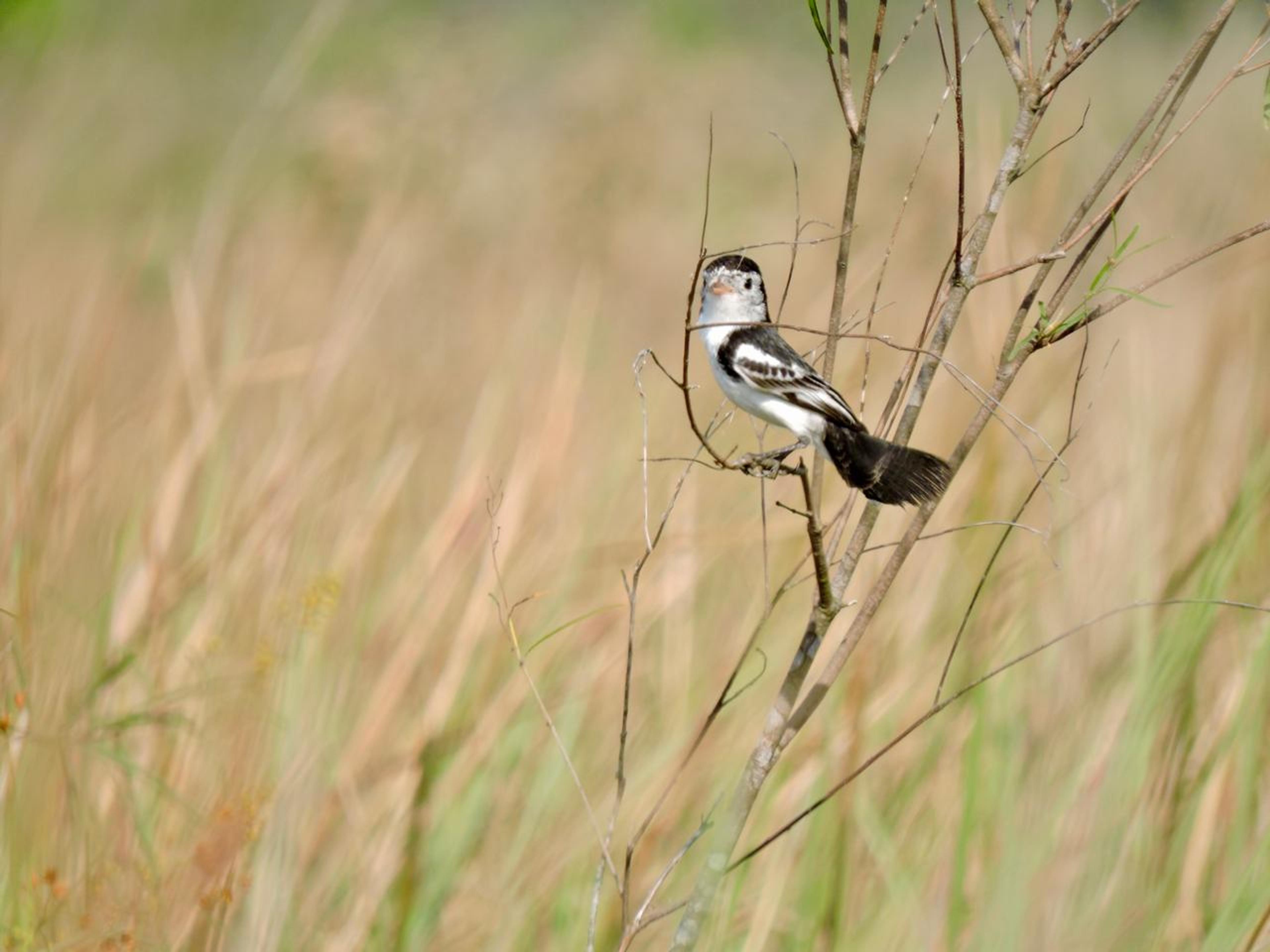
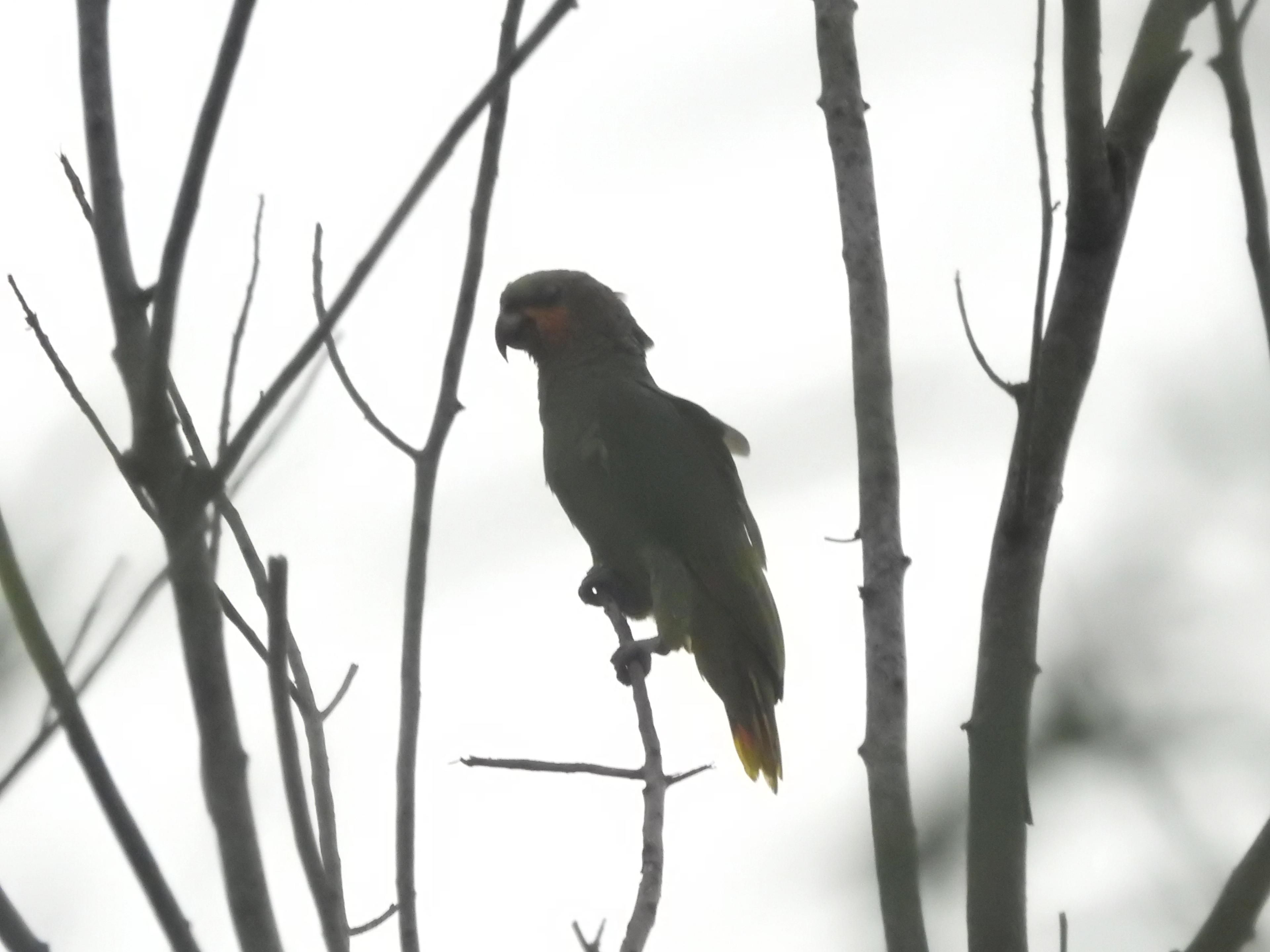
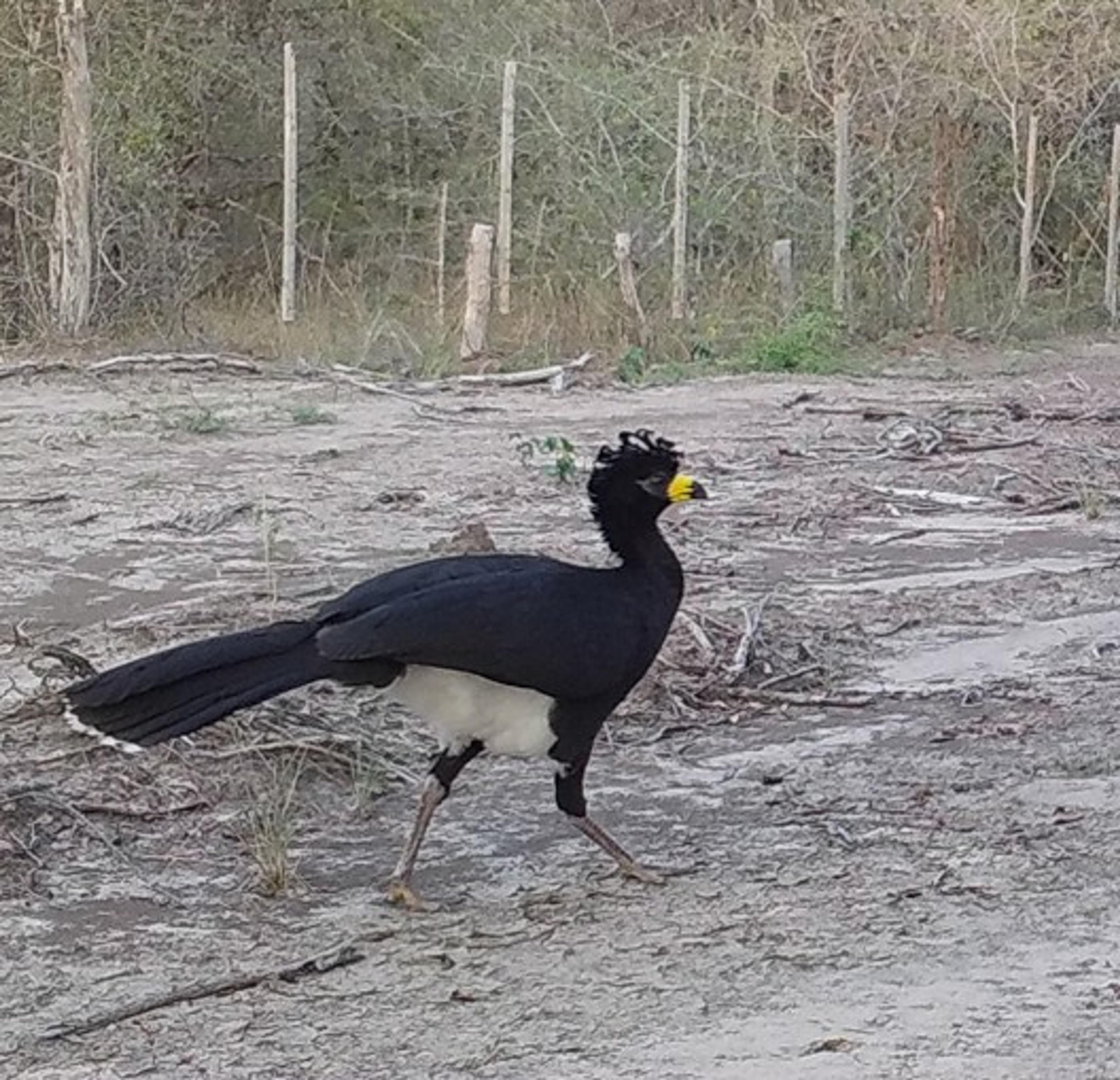
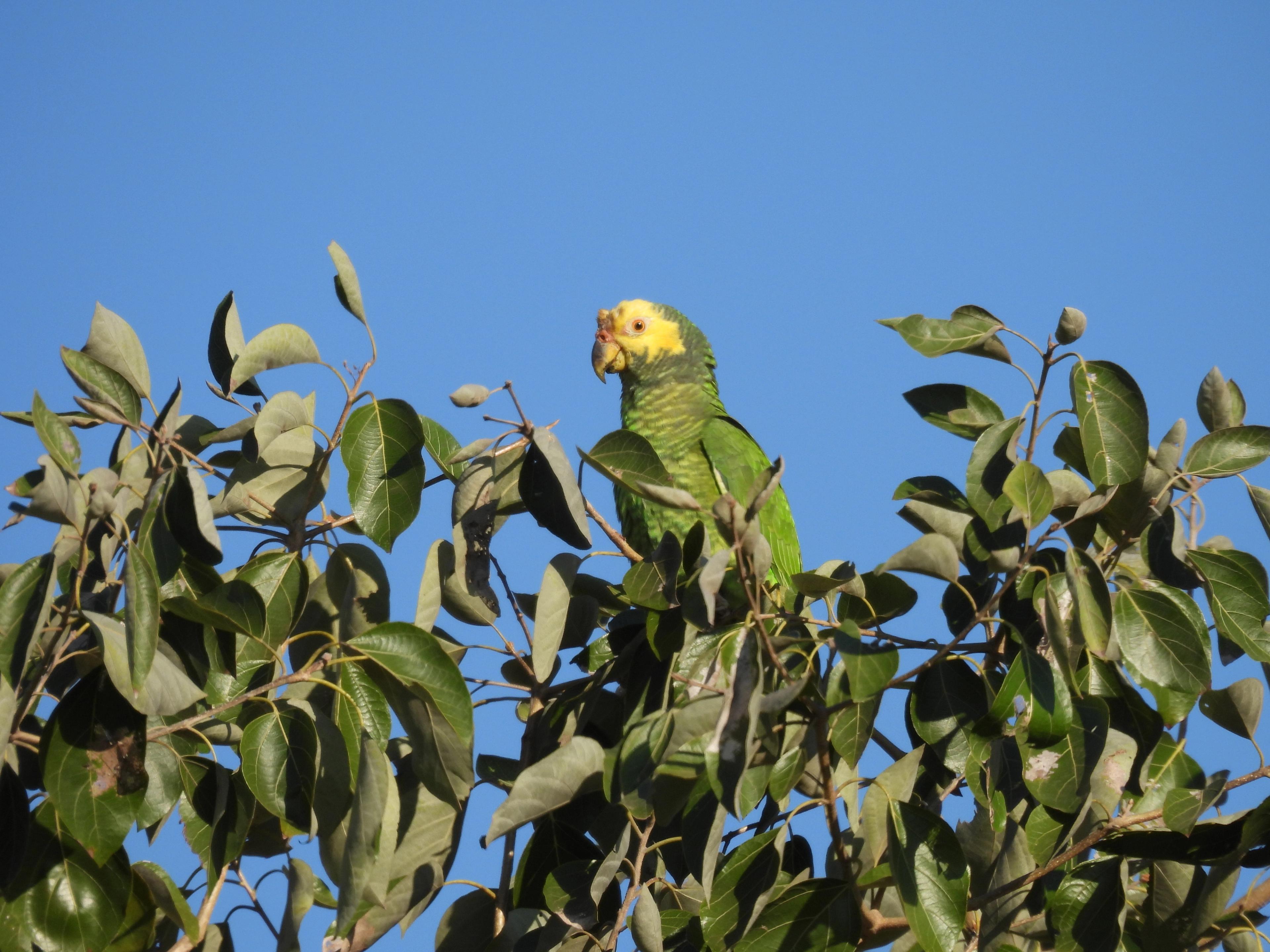
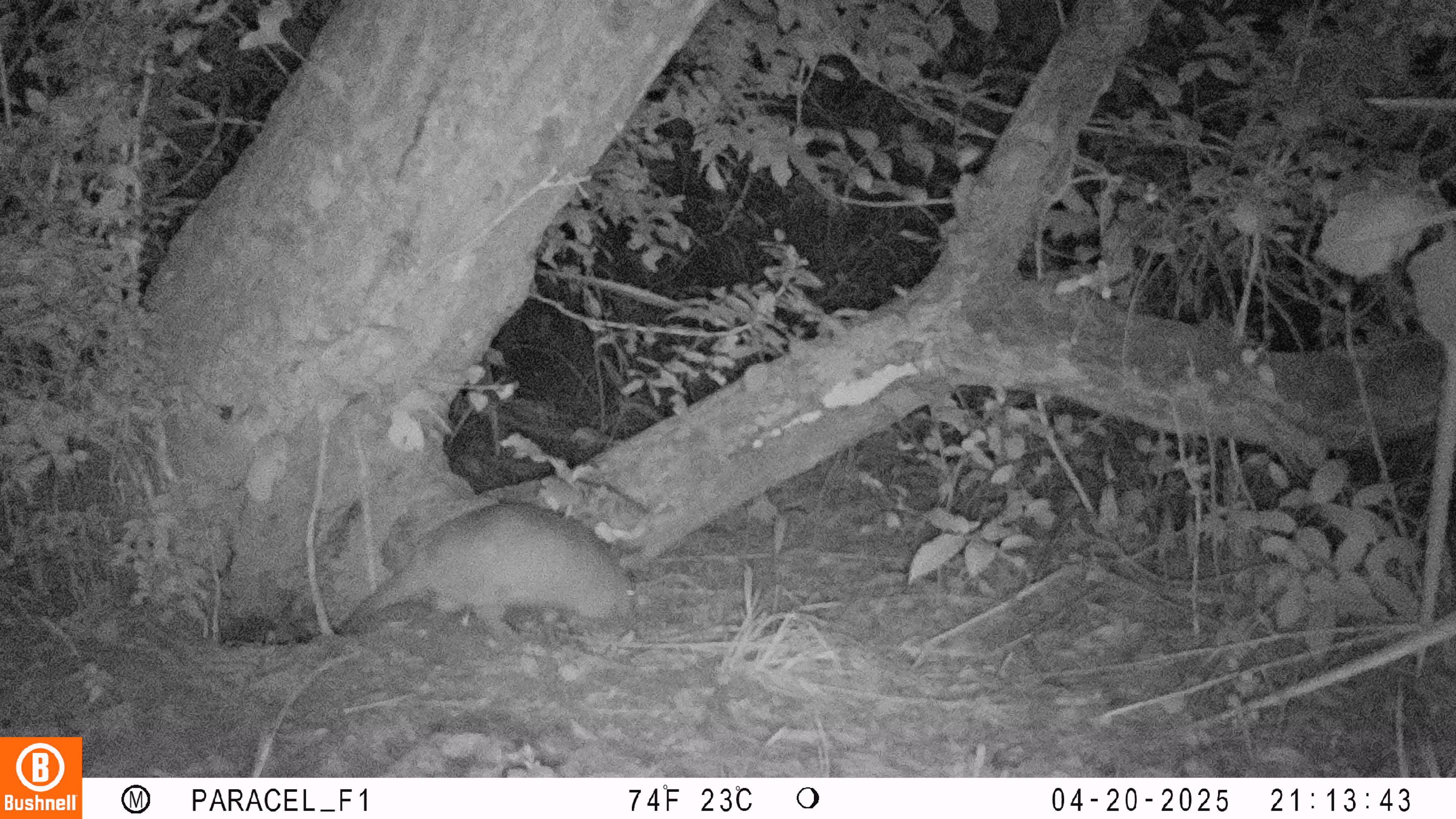
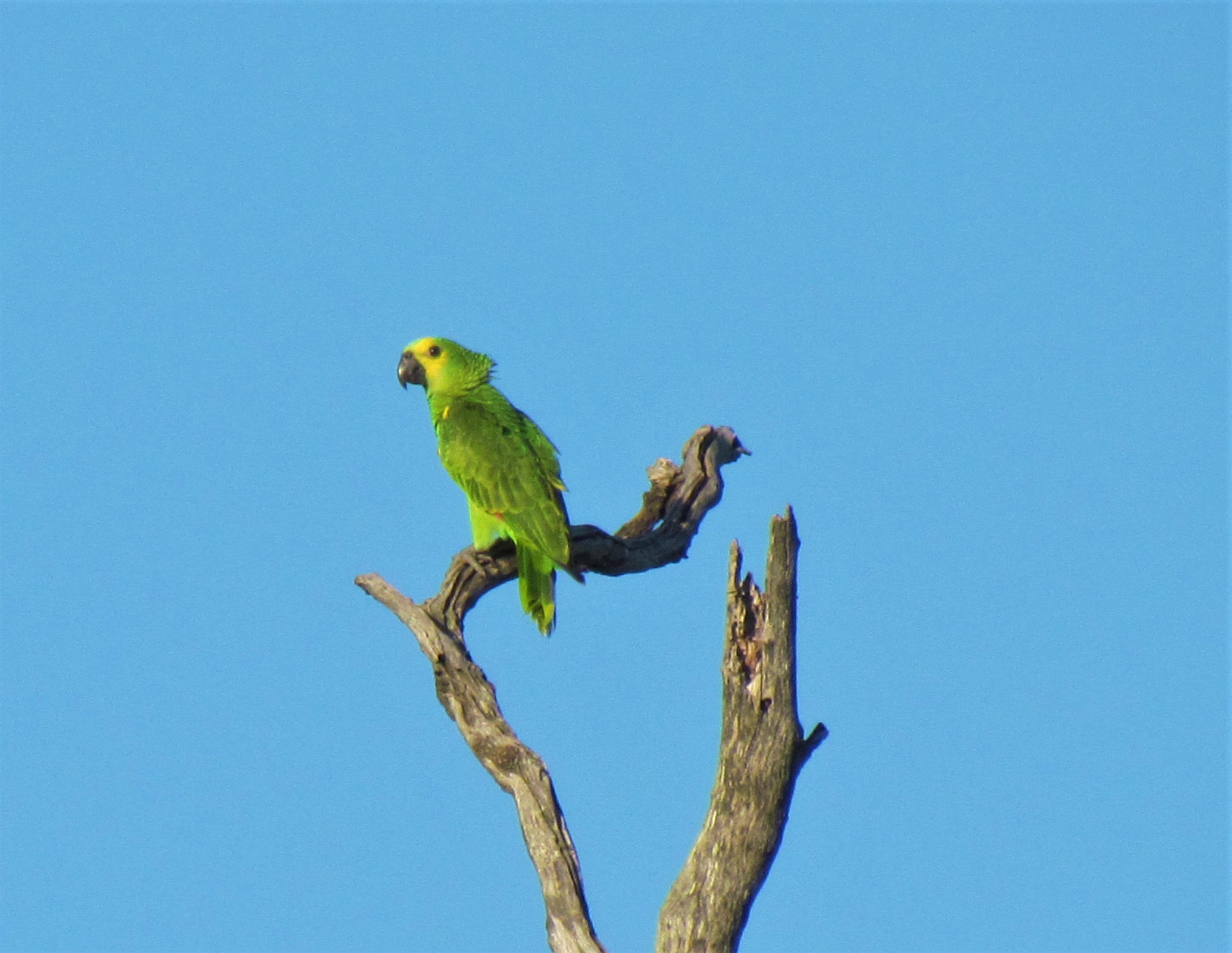
Las áreas del proyecto constituyen hábitat para numerosas especies de importancia para la conservación, entre ellas:
Wildlife
Guacamayo Rojo
(Ara chloropterus)
Estatus Global UICN Preocupación Menor
Estatus Nacional En peligro
Venado de las pampas
(Ozotoceros bezoarticus)
Estatus Global UICN Casi amenazada
Estatus Nacional En peligro
Yetapá Chico
(Alectrurus tricolor)
Estatus Global UICN Vulnerable
Estatus Nacional En peligro
Loro de ala naranja
(Amazona amazonica)
Estatus Global UICN Preocupación menor
Estatus Nacional En peligro
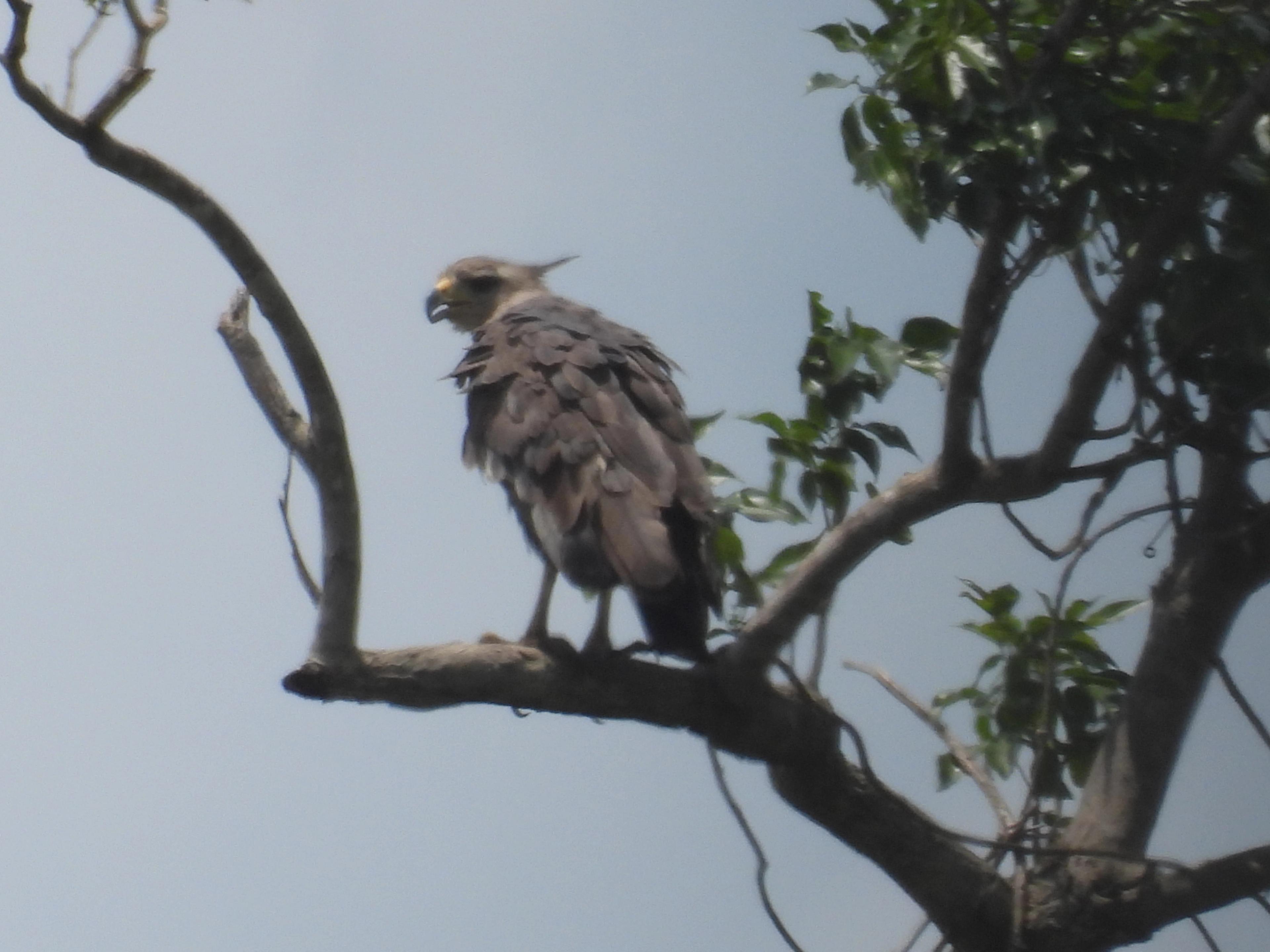
Águila coronada
(Buteogallus coronatus)
Estatus Global UICN En peligro
Estatus Nacional En peligro
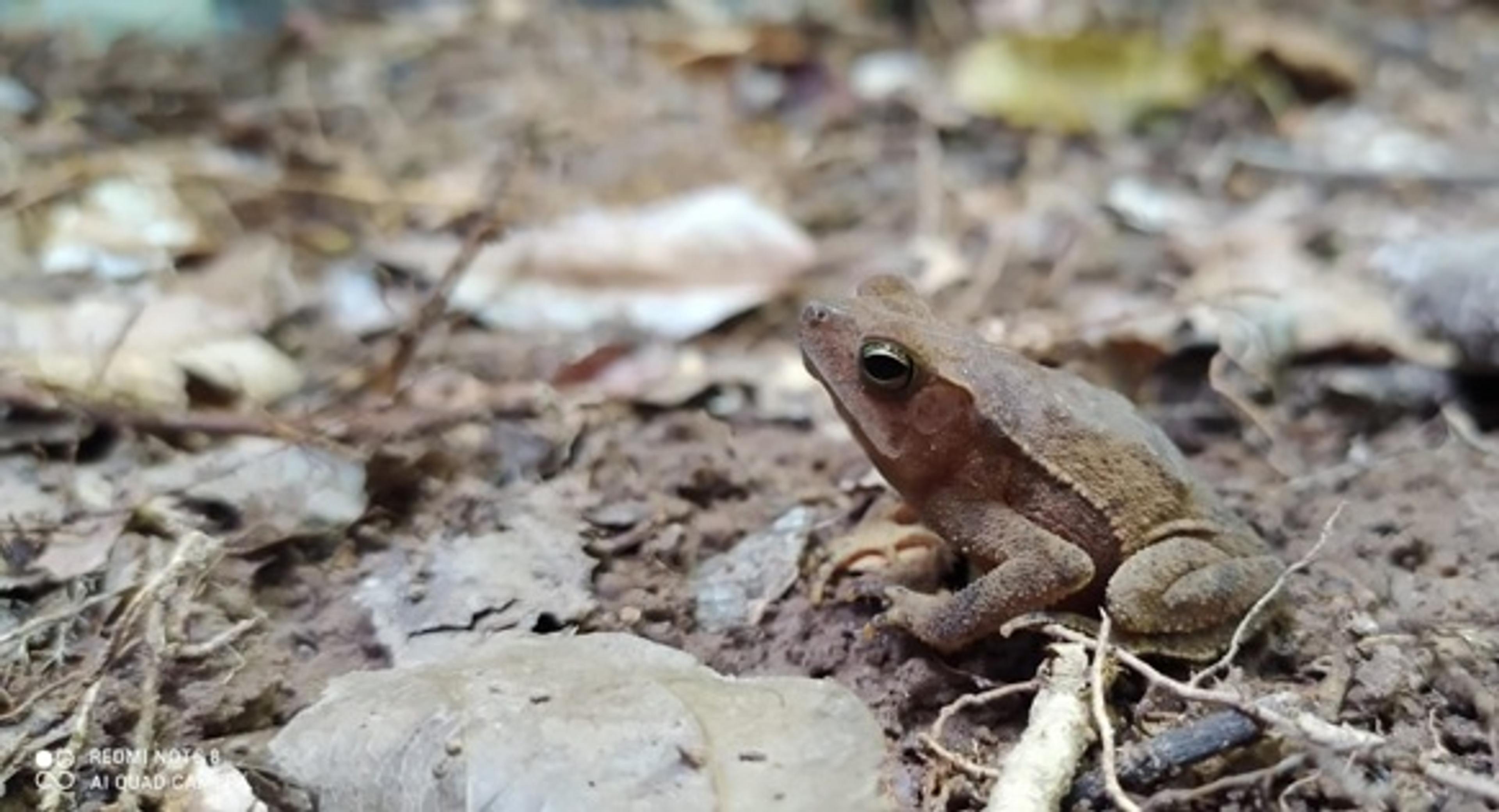
Sapito terrestre
(Rhinella scitula)
Estatus Global UICN Preocupación menor
Estatus Nacional Amenazada de extinción
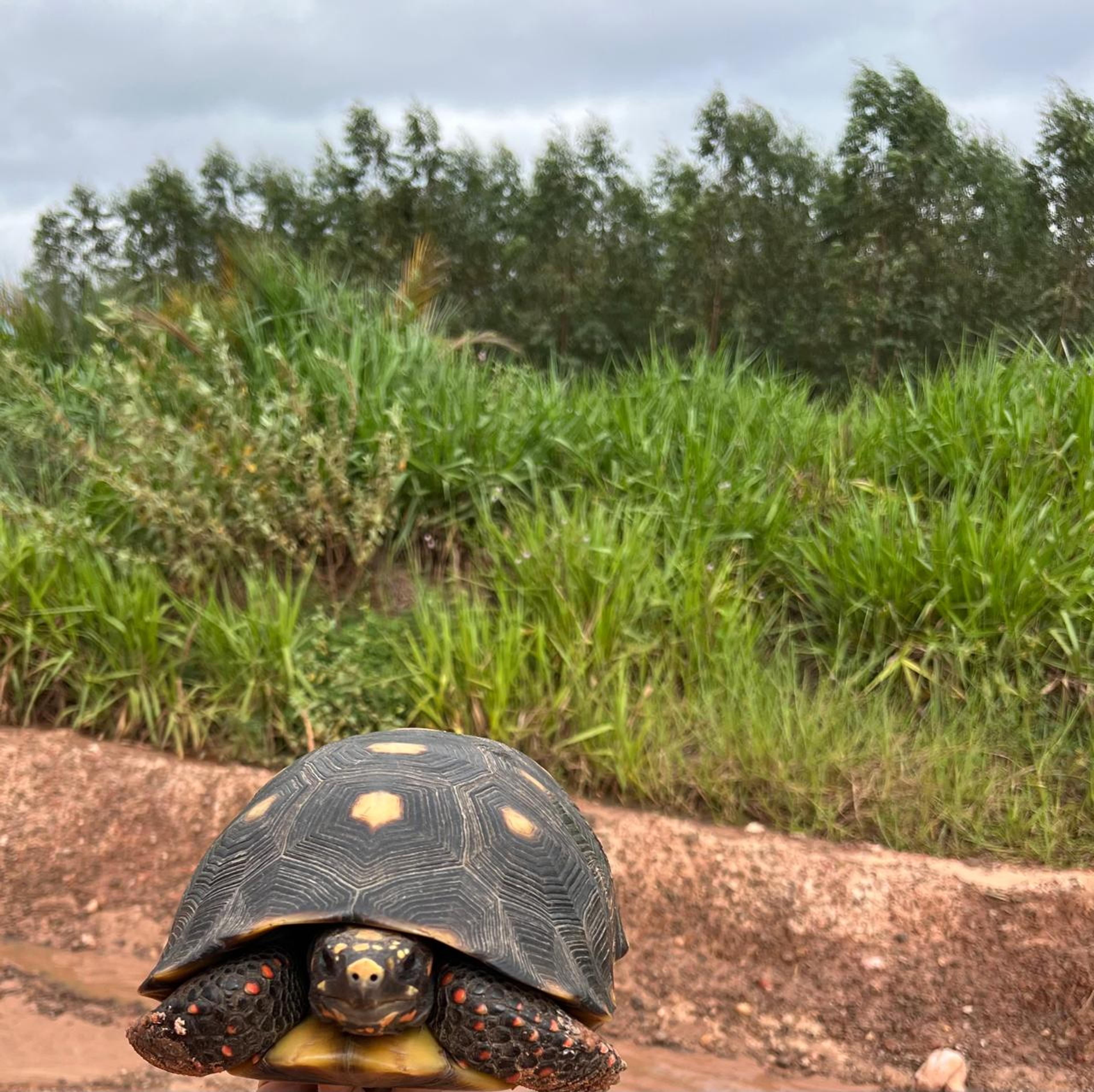
Tortuga de patas rojas
(Chelonoidis carbonaria)
Estatus Global UICN No evaluada
Estatus Nacional En peligro
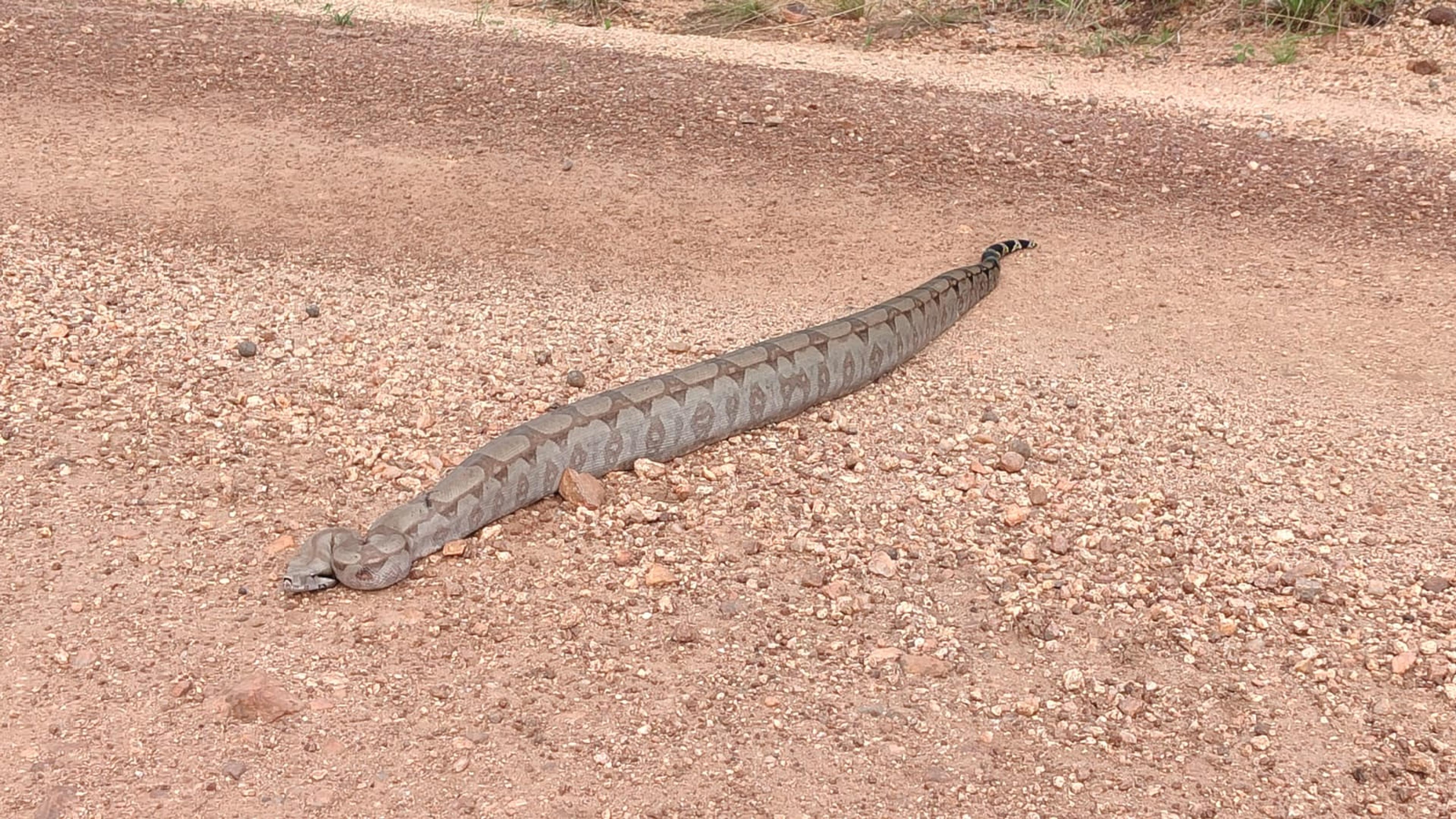
Boa de las vizcacheras
(Boa constrictor constrictor)
Estatus Global UICN No evaluada
Estatus Nacional En peligro
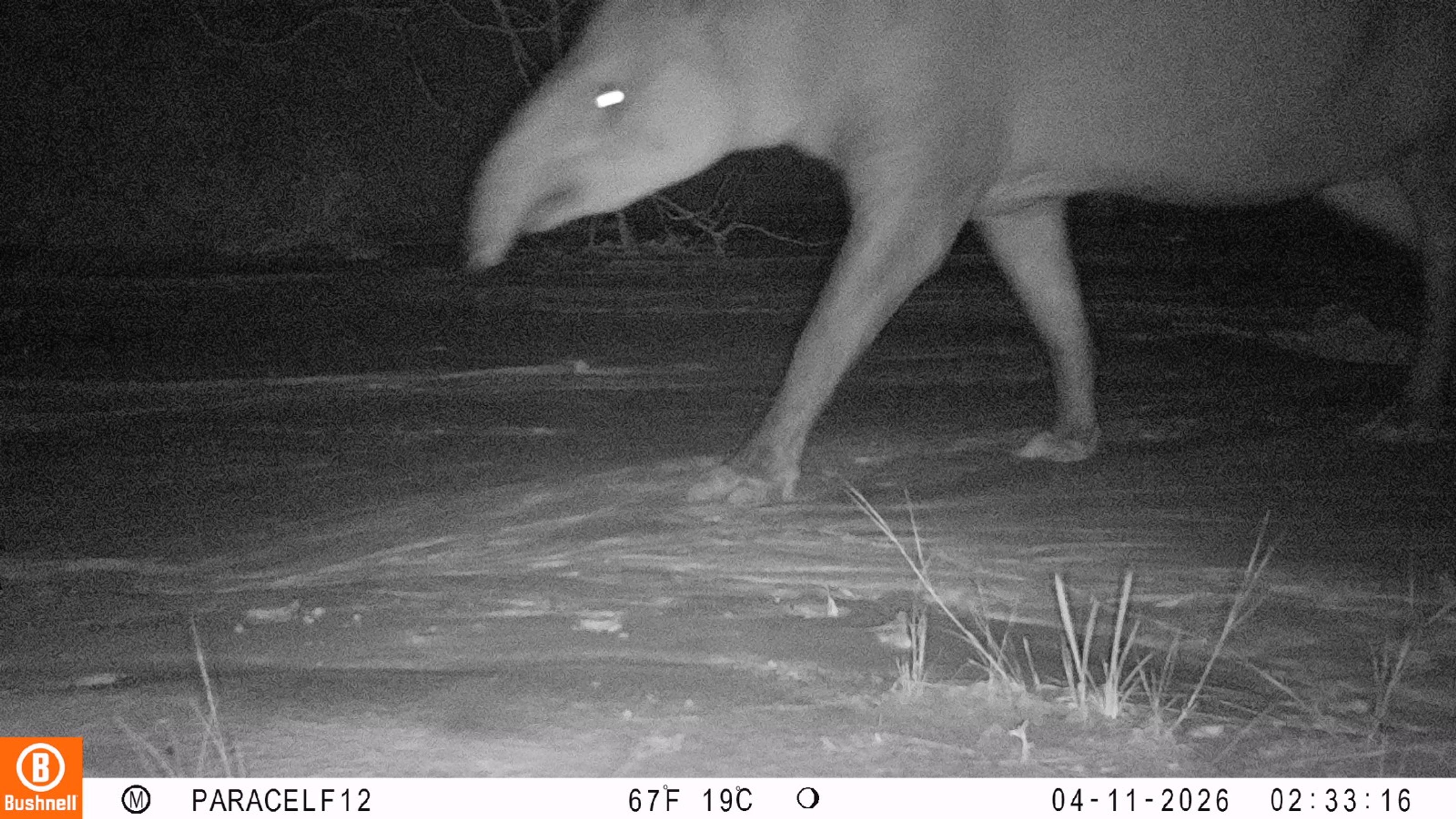
Tapir
(Tapirus terrestris)
Estatus Global UICN Vulnerable
Estatus Nacional Amenazada de extinción
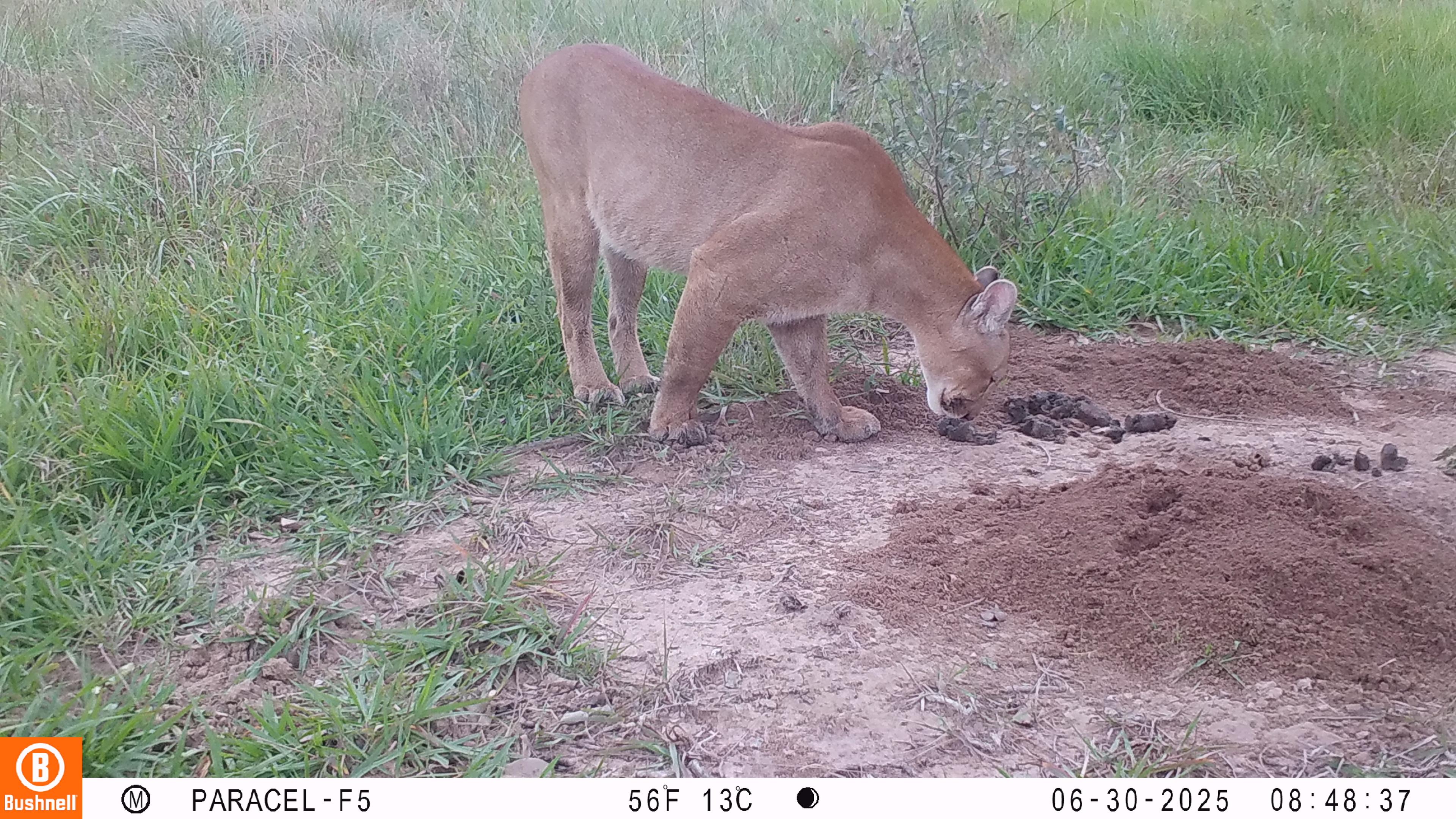
Puma
(Puma concolor)
Estatus Global UICN Preocupación menor
Estatus Nacional No evaluada
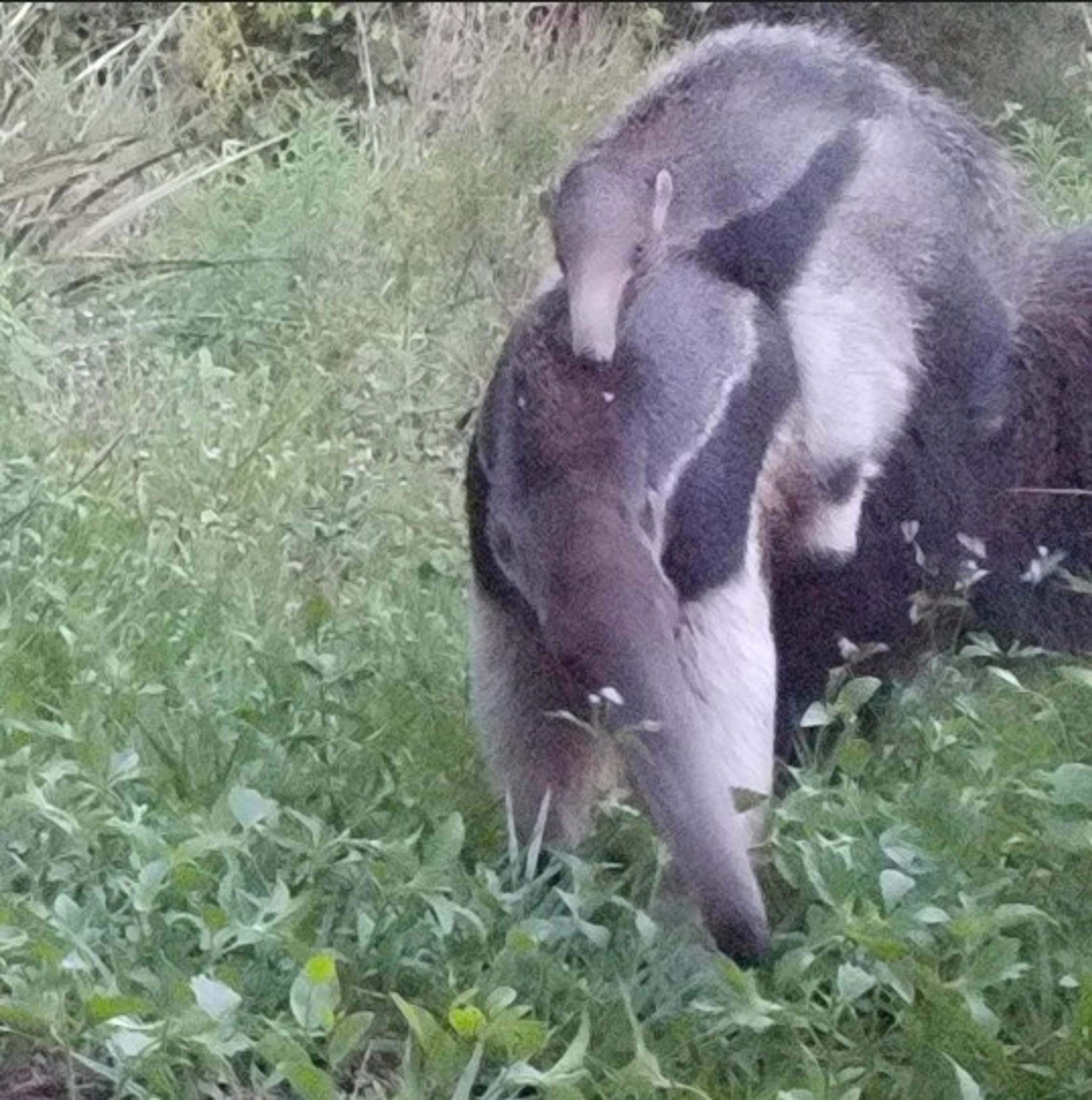
Oso hormiguero
(Myrmecophaga tridactyla)
Estatus Global UICN Vulnerable
Estatus Nacional Amenazada de extinción
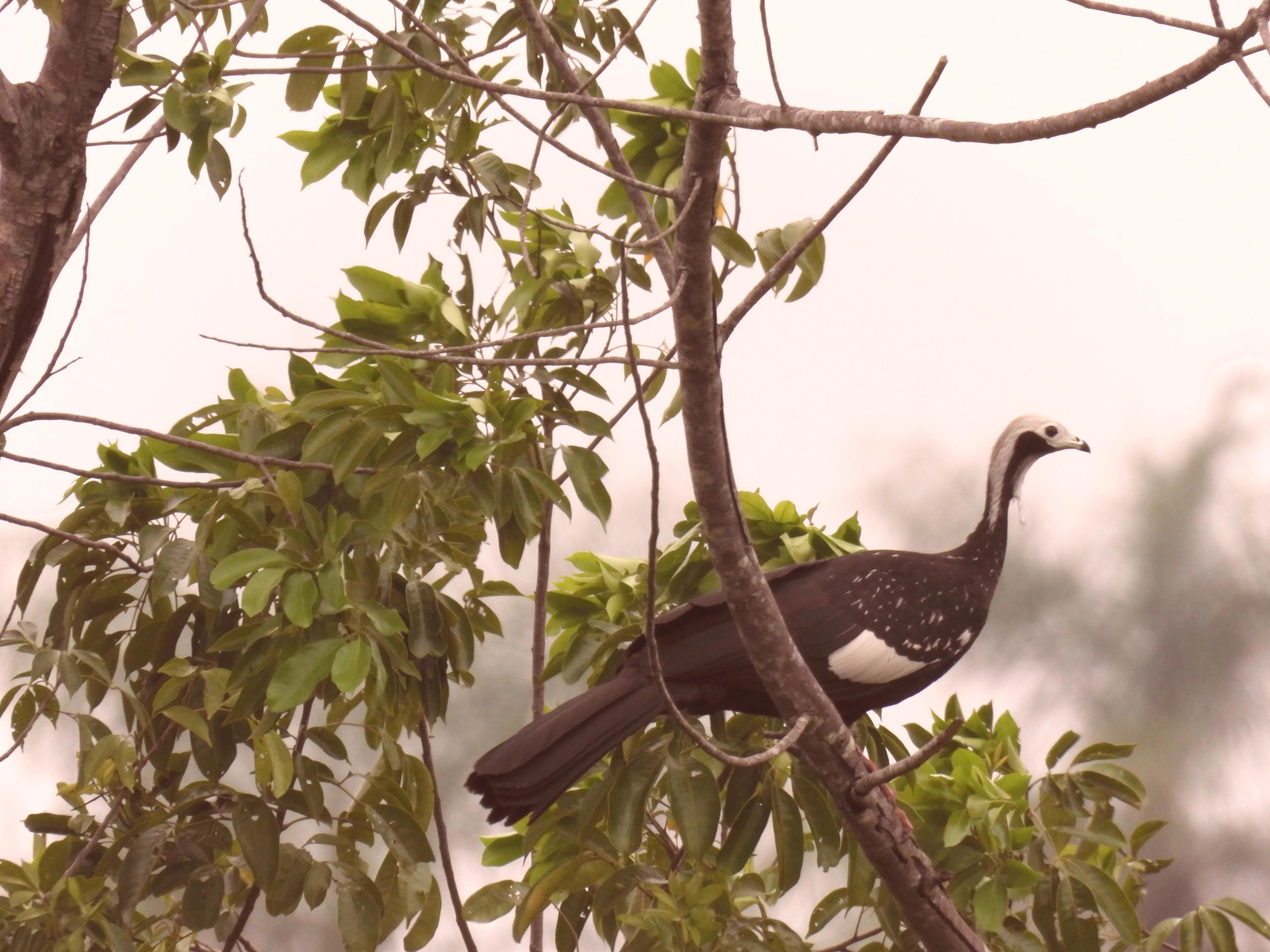
Pava de monte
(Pipile grayi)
Estatus Global UICN Casi amenazada
Estatus Nacional Amenazada de extinción
Pava pintada
(Crax fasciolata)
Estatus Global UICN Vulnerable
Estatus Nacional Amenazada de extinción
Loro de cara amarilla
(Alipiopsitta xanthops)
Estatus Global UICN Casi amenazada
Estatus Nacional Amenazada de extinción
Armadillo de seis bandas
(Euphractus sexcinctus)
Estatus Global UICN Preocupación menor
Estatus Nacional No evaluada
Loro hablador
Amazona aestiva
Estatus Global UICN Casi amenazada
Estatus Nacional No evaluada
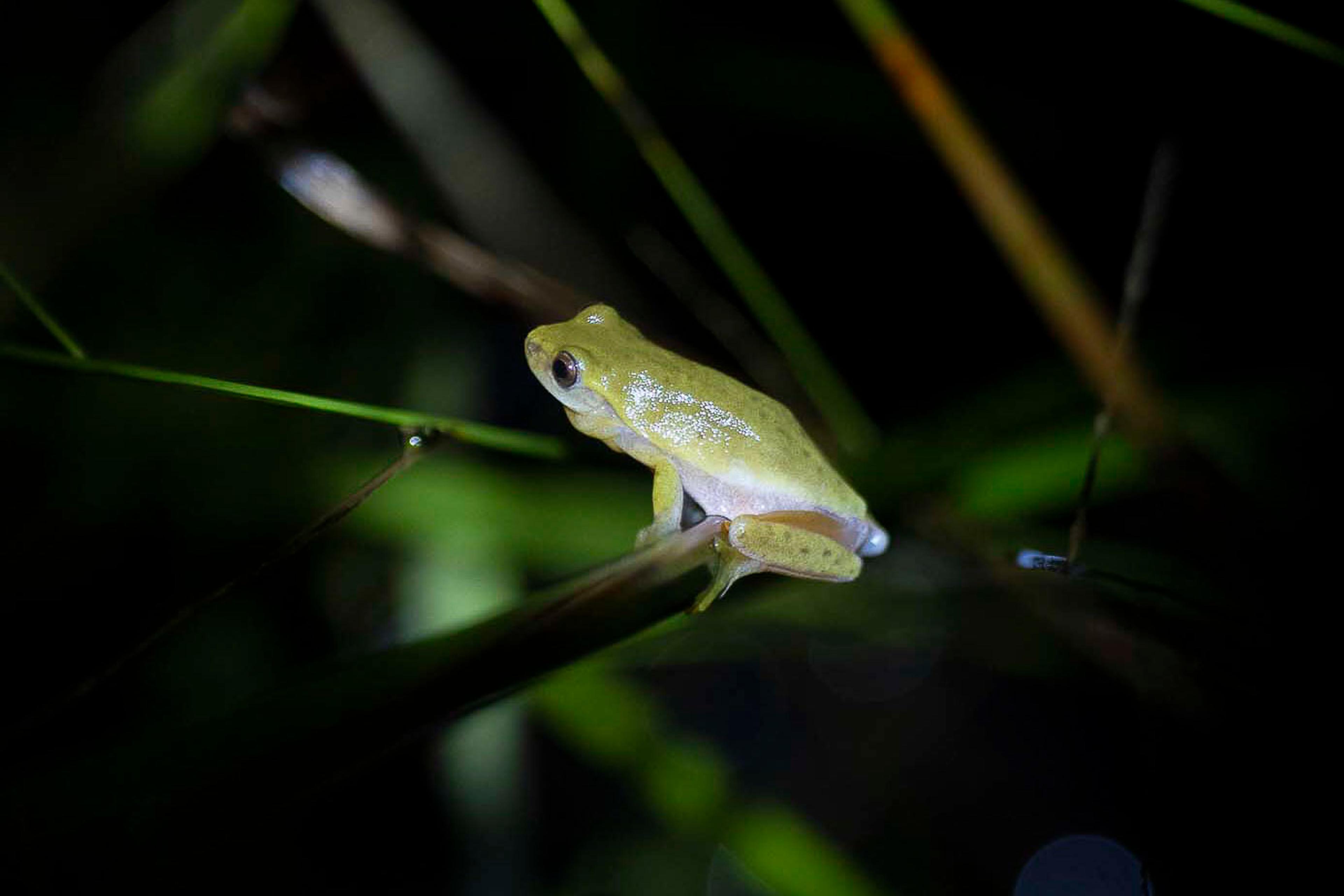
Ranita
Dendropsuphus elianeae
Estatus Global UICN Preocupación menor
Estatus Nacional En peligro
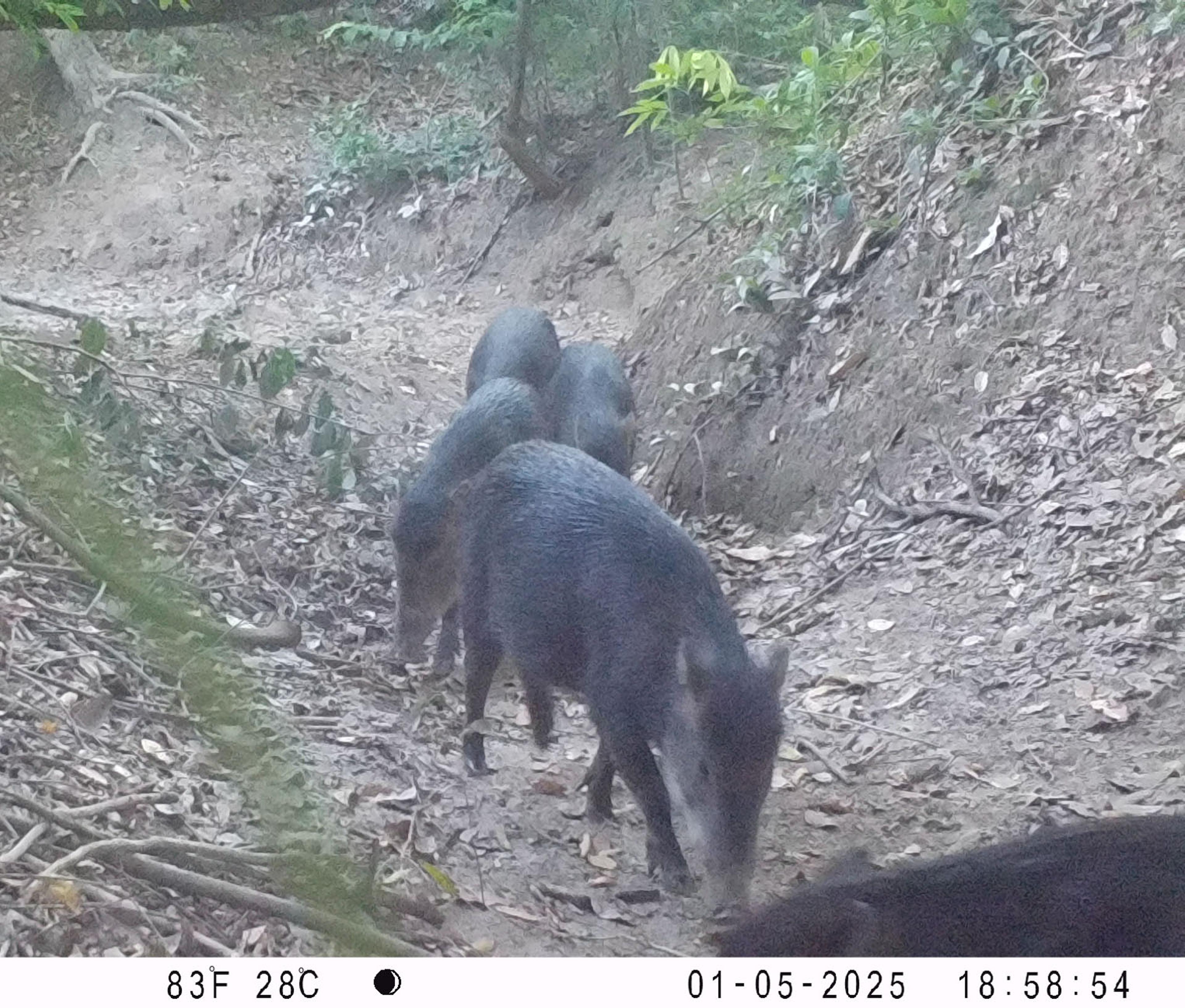
Pecarí labiado
Tayassu pecari
Estatus Global UICN Vulnerable
Estatus Nacional Amenazada de extinción
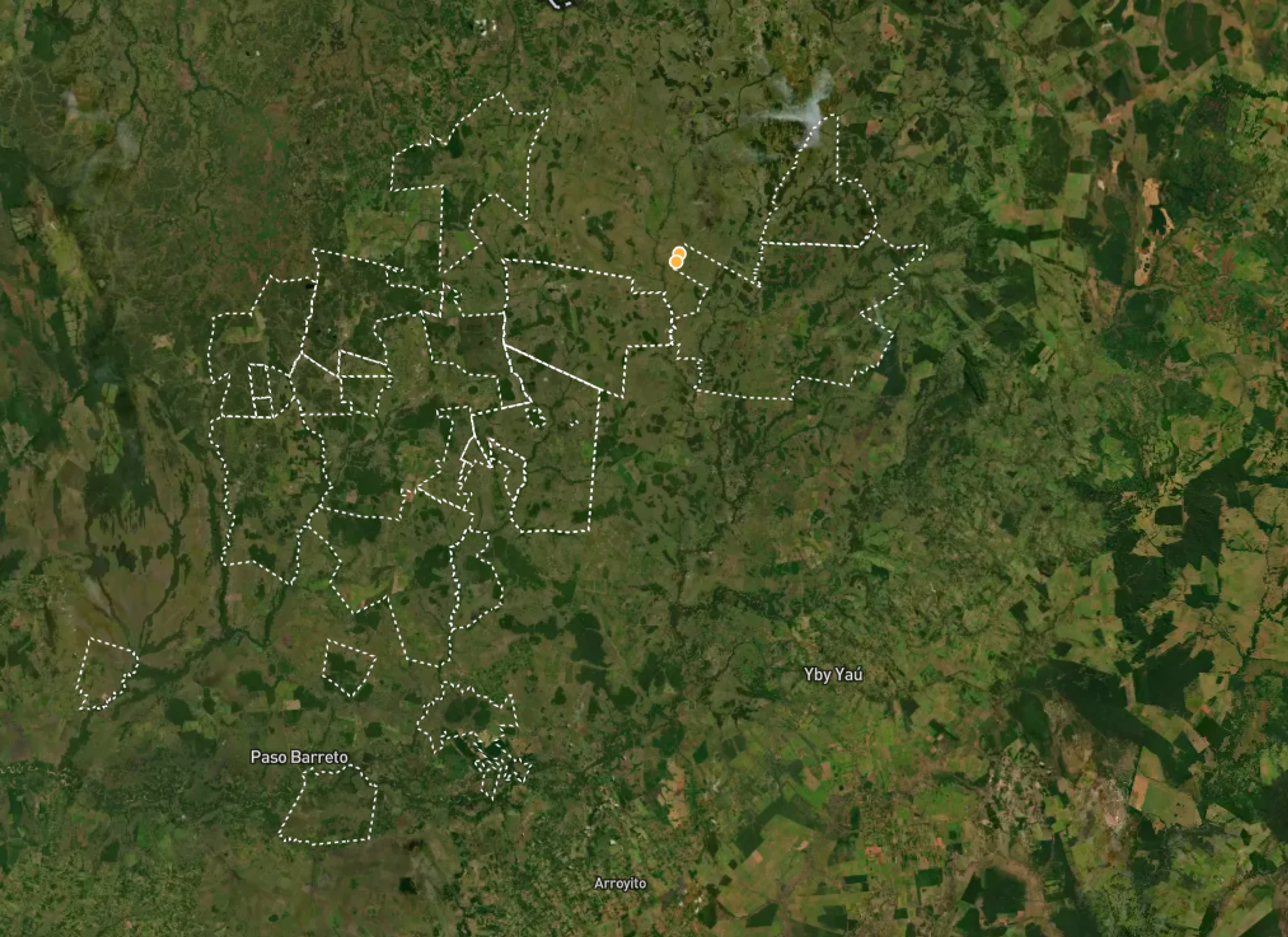
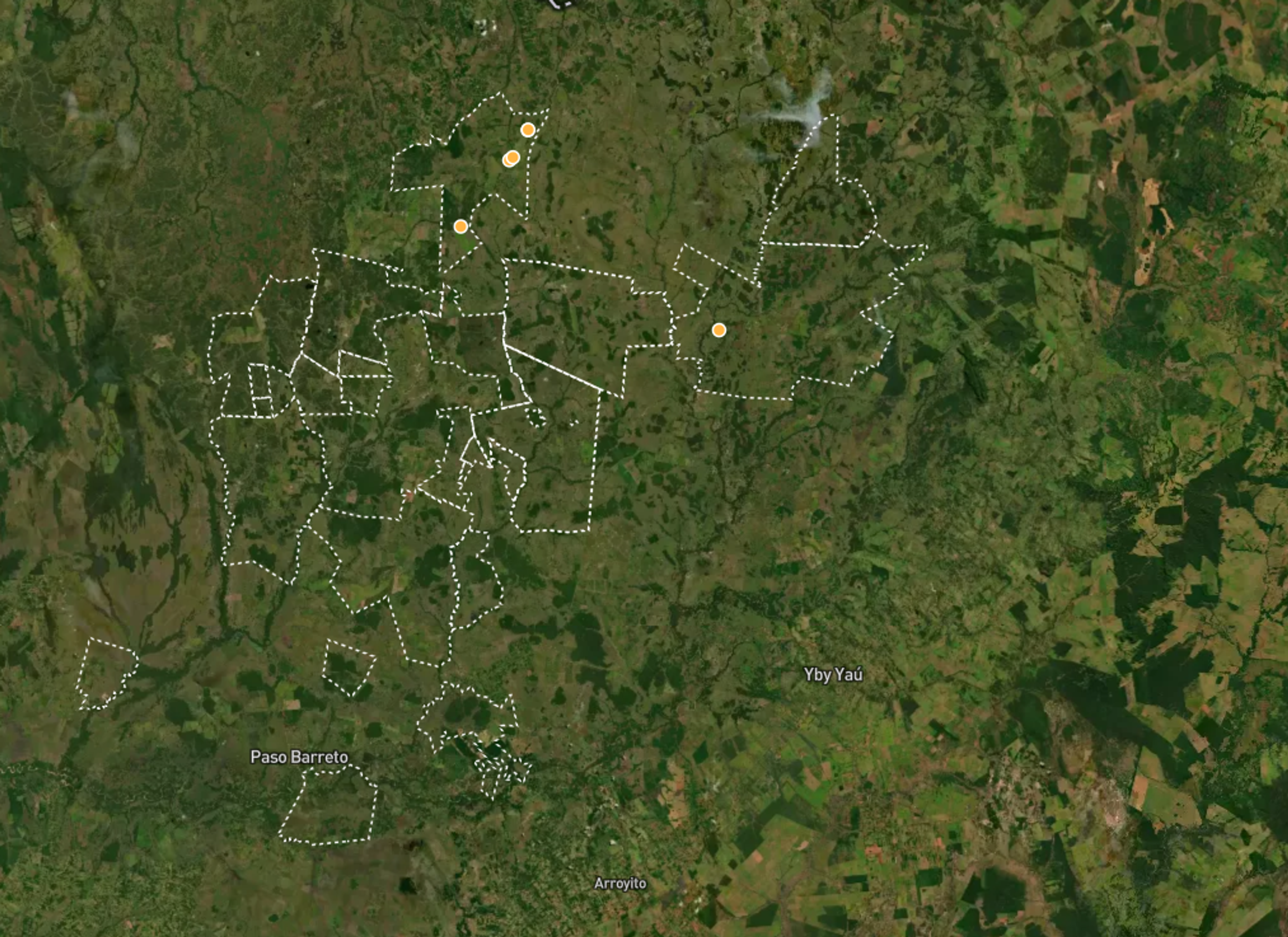
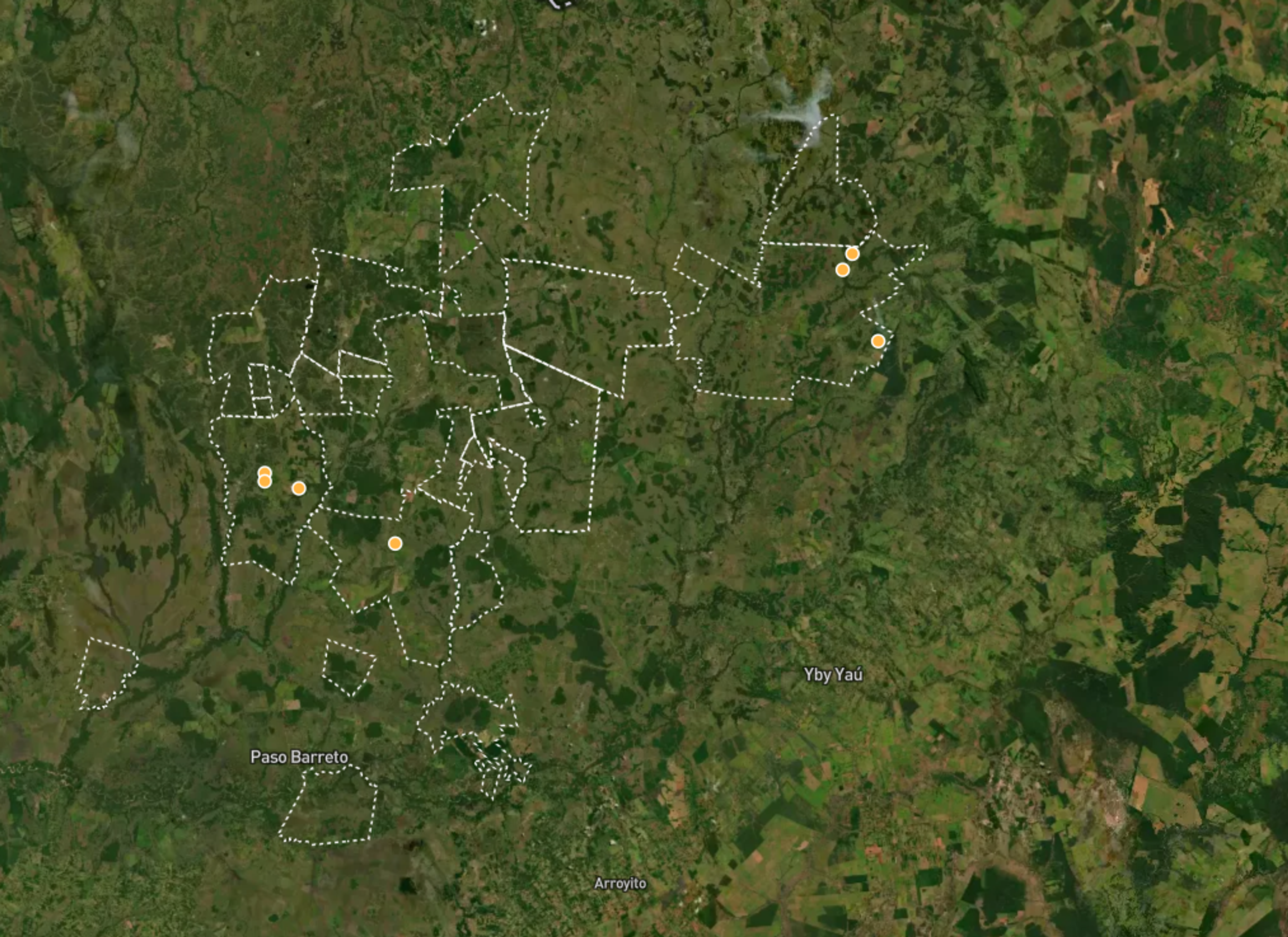
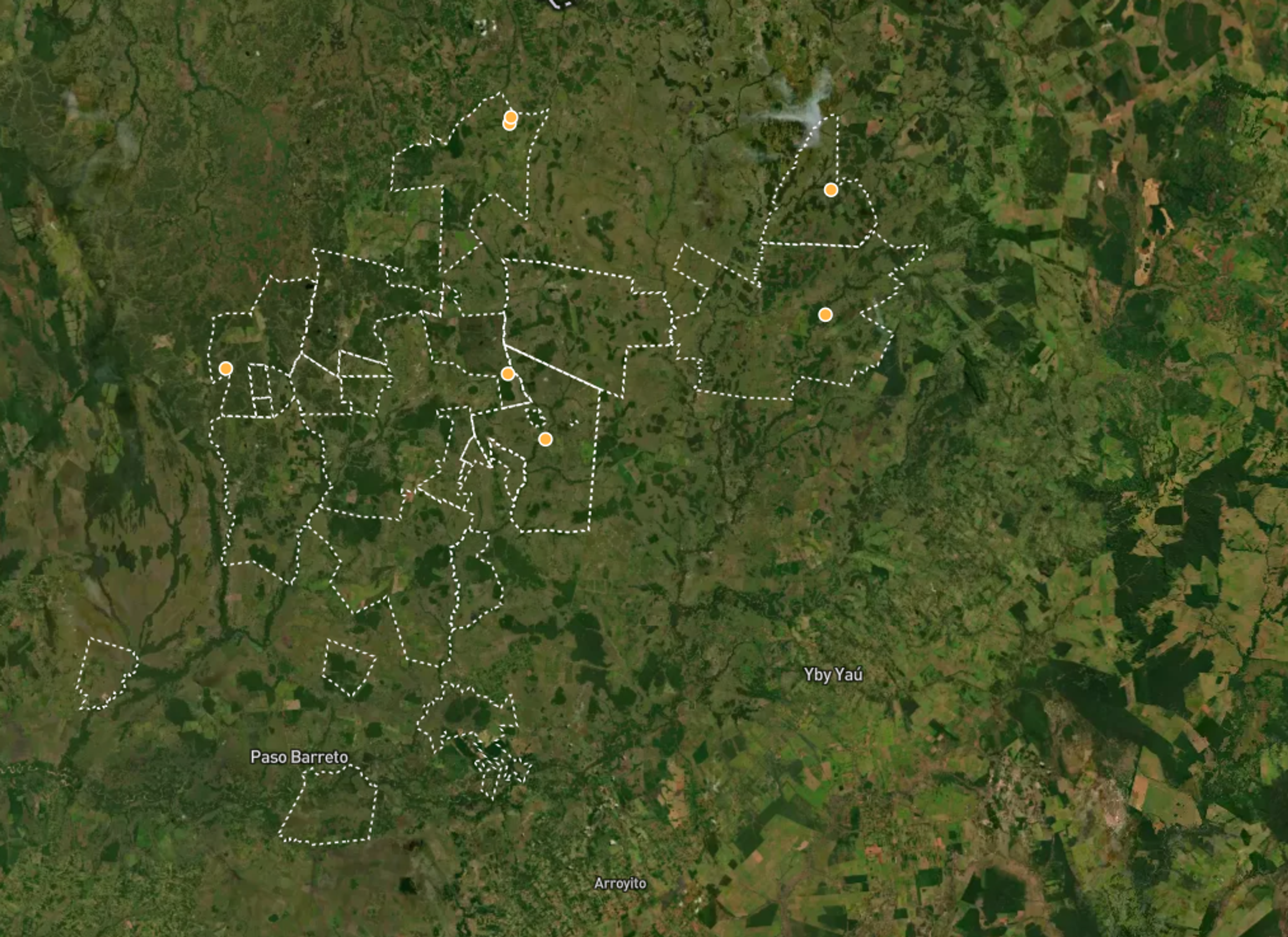
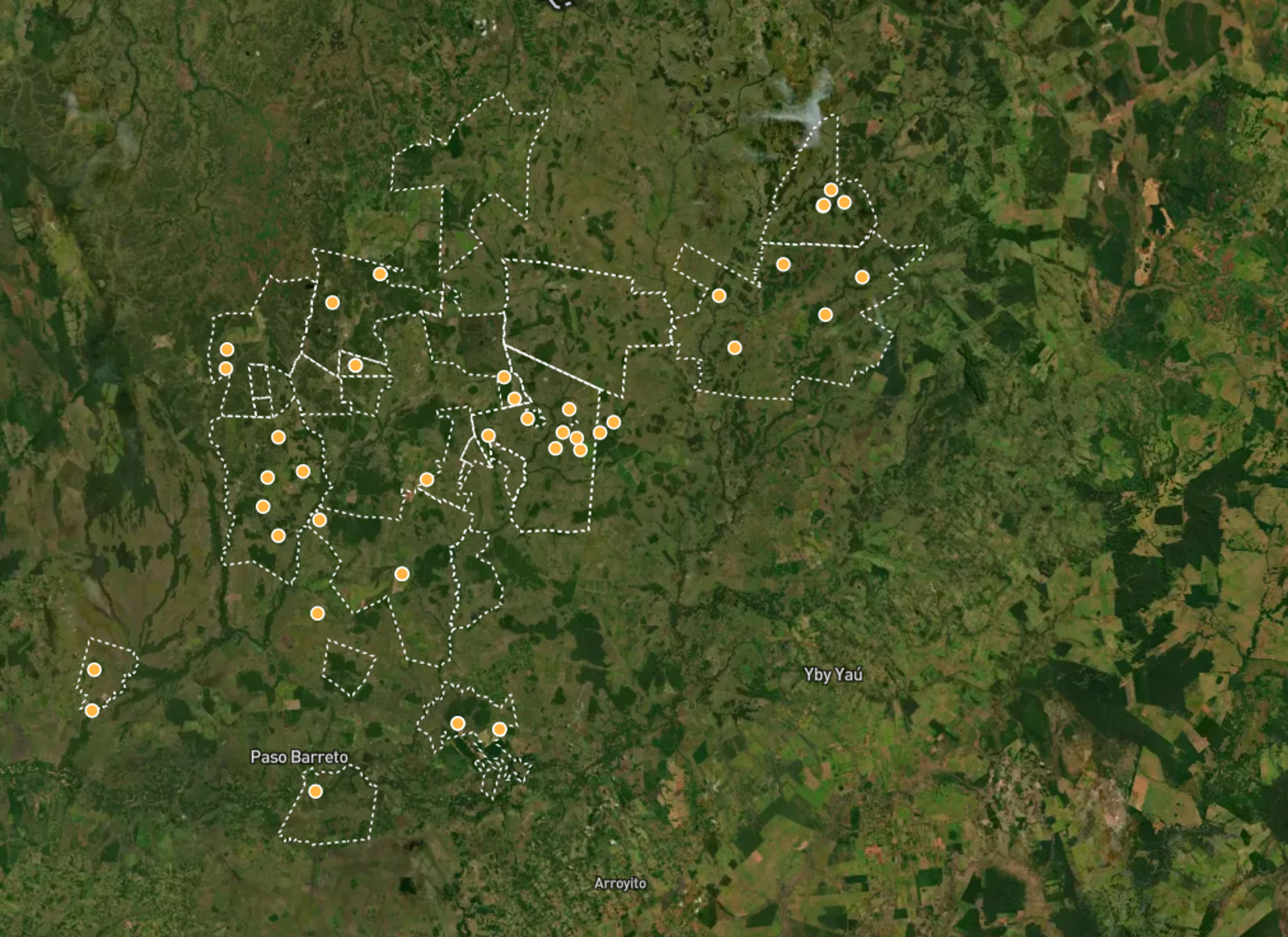
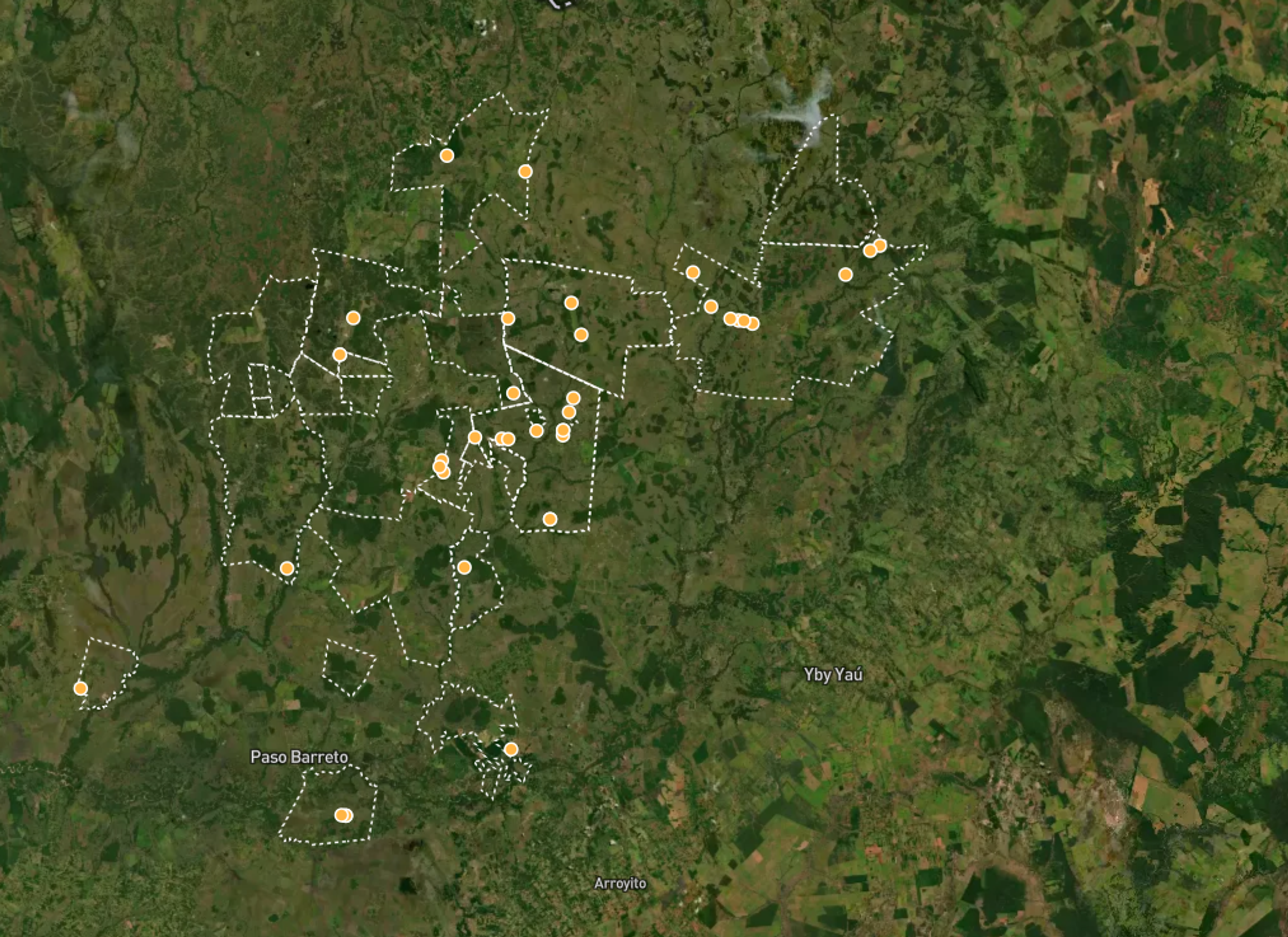
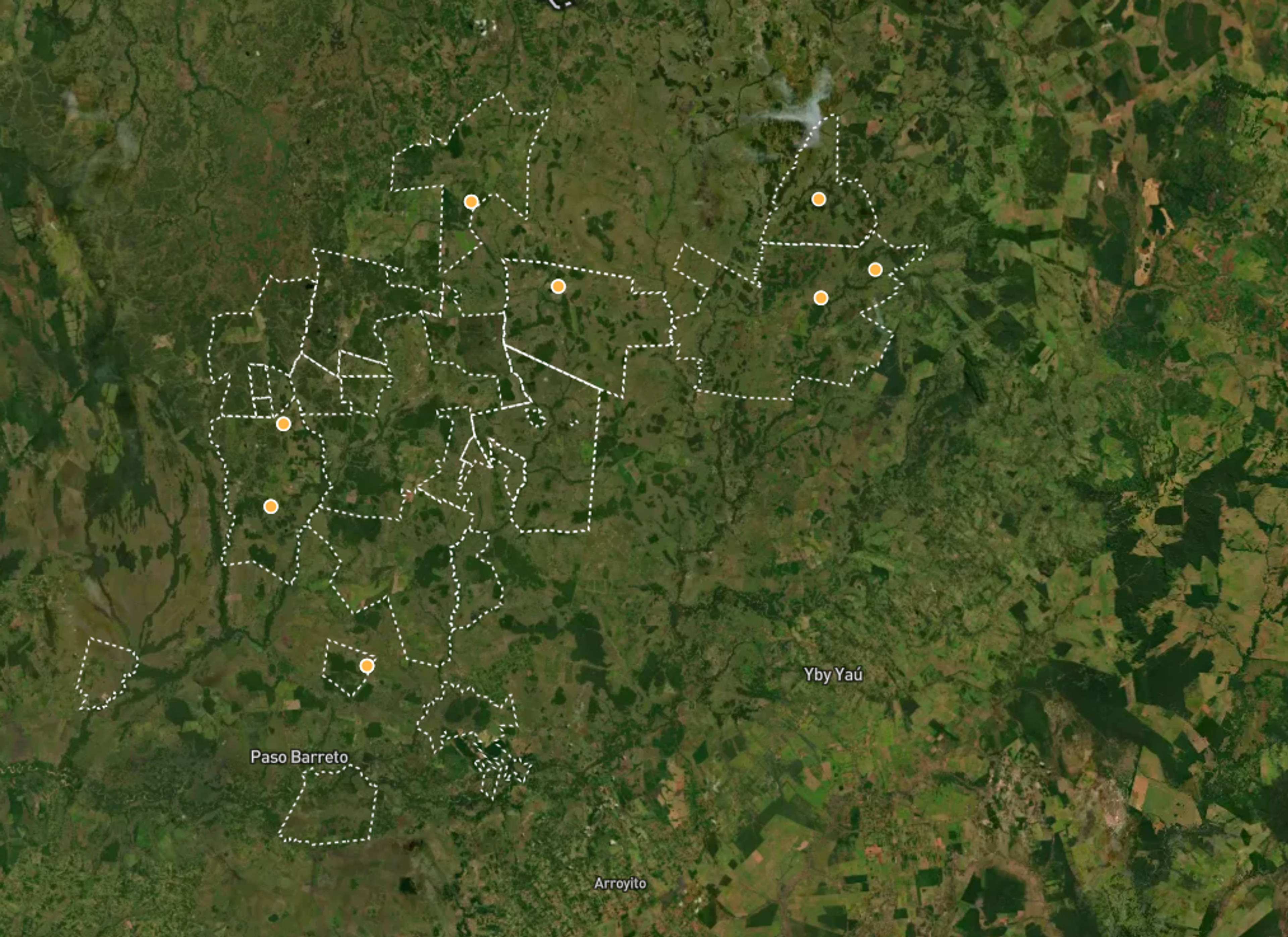
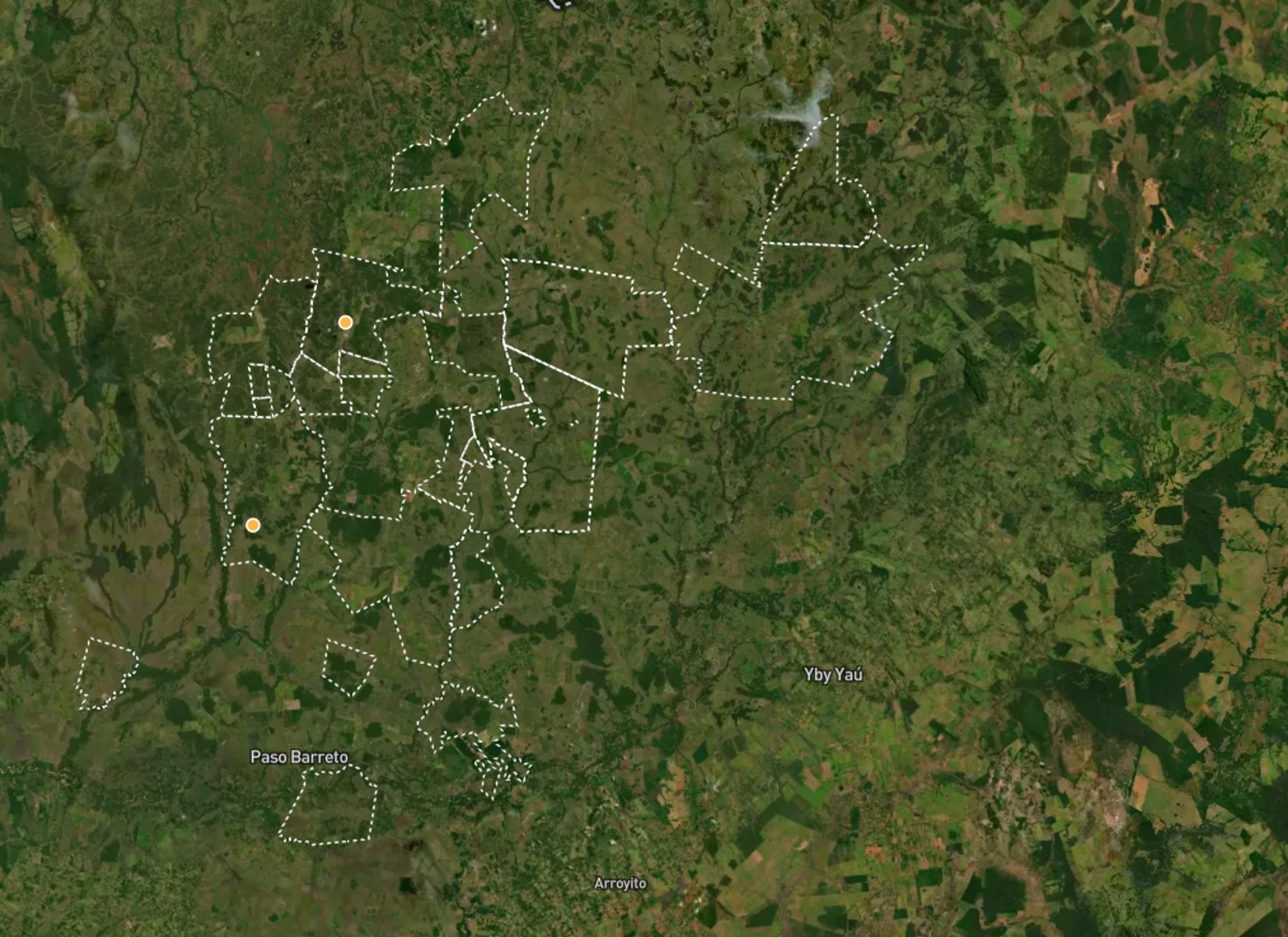
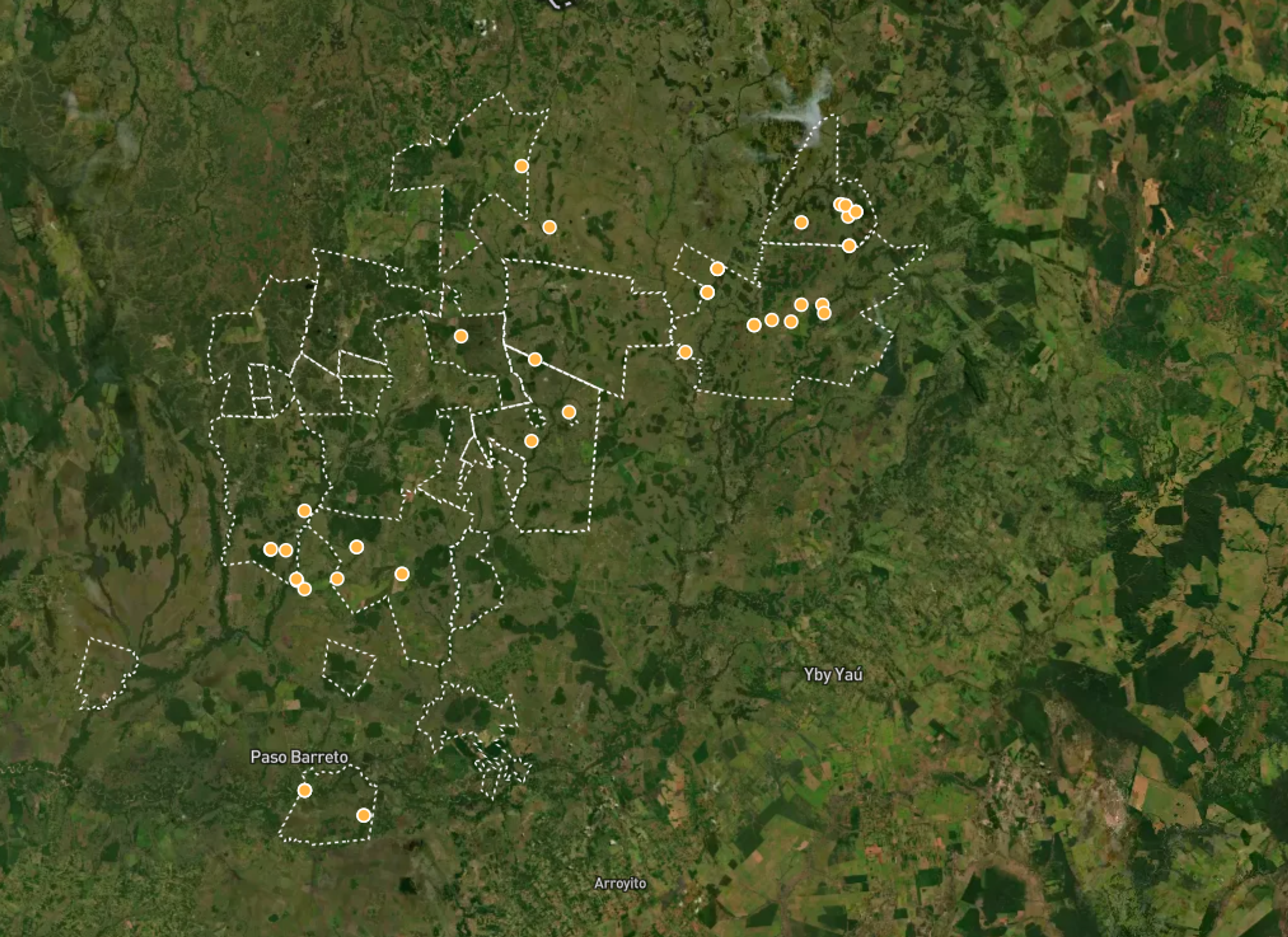
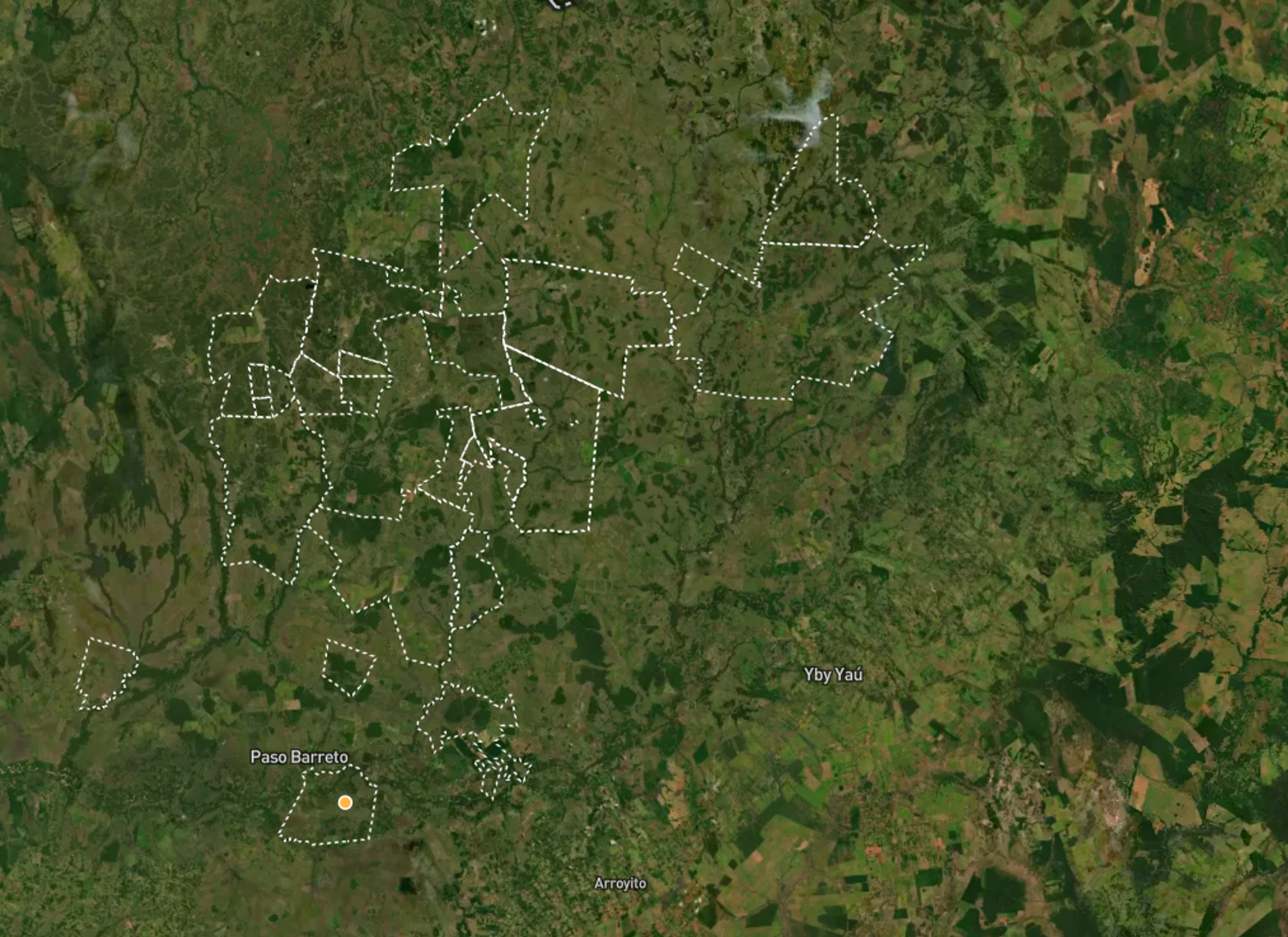
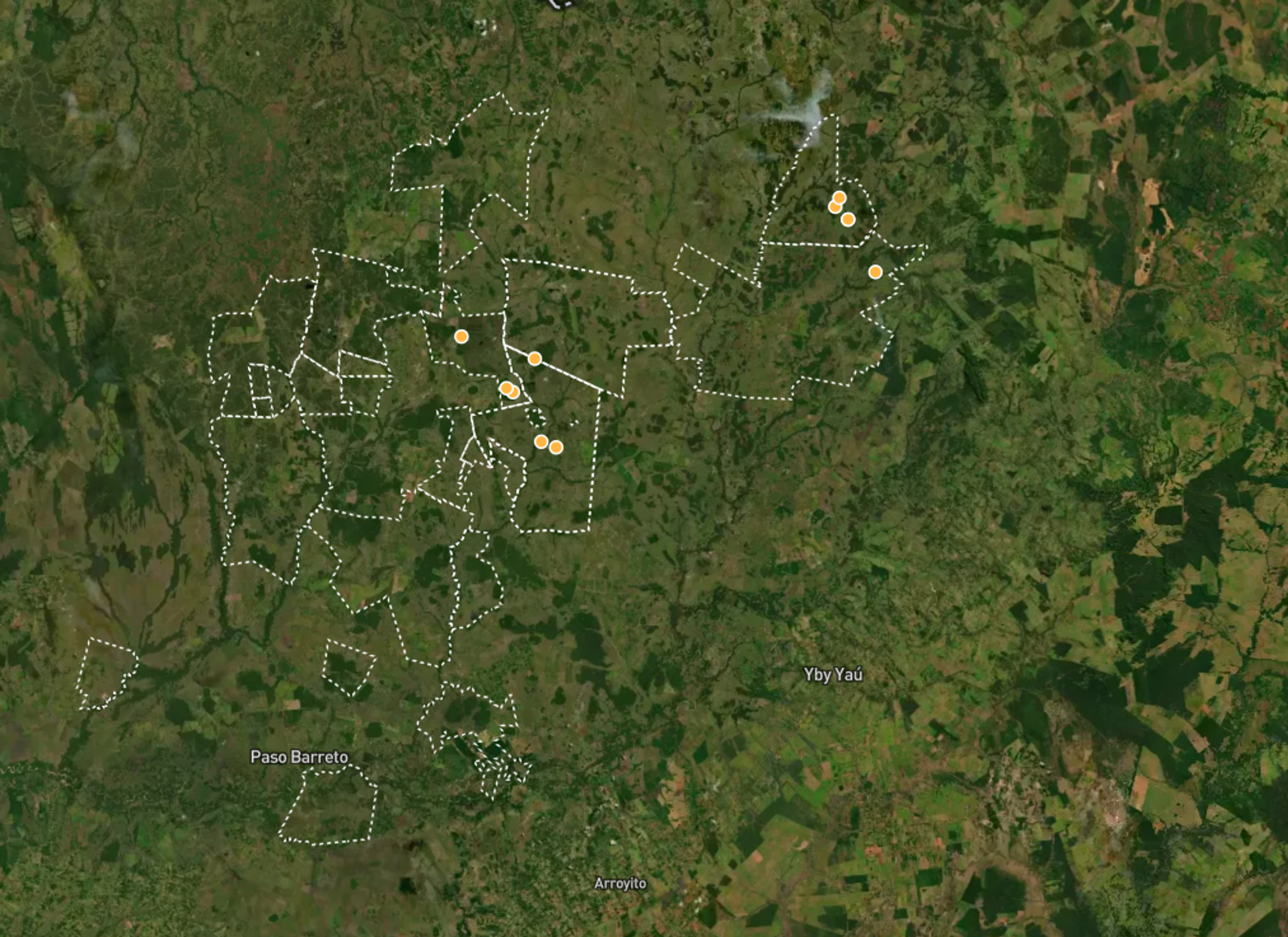
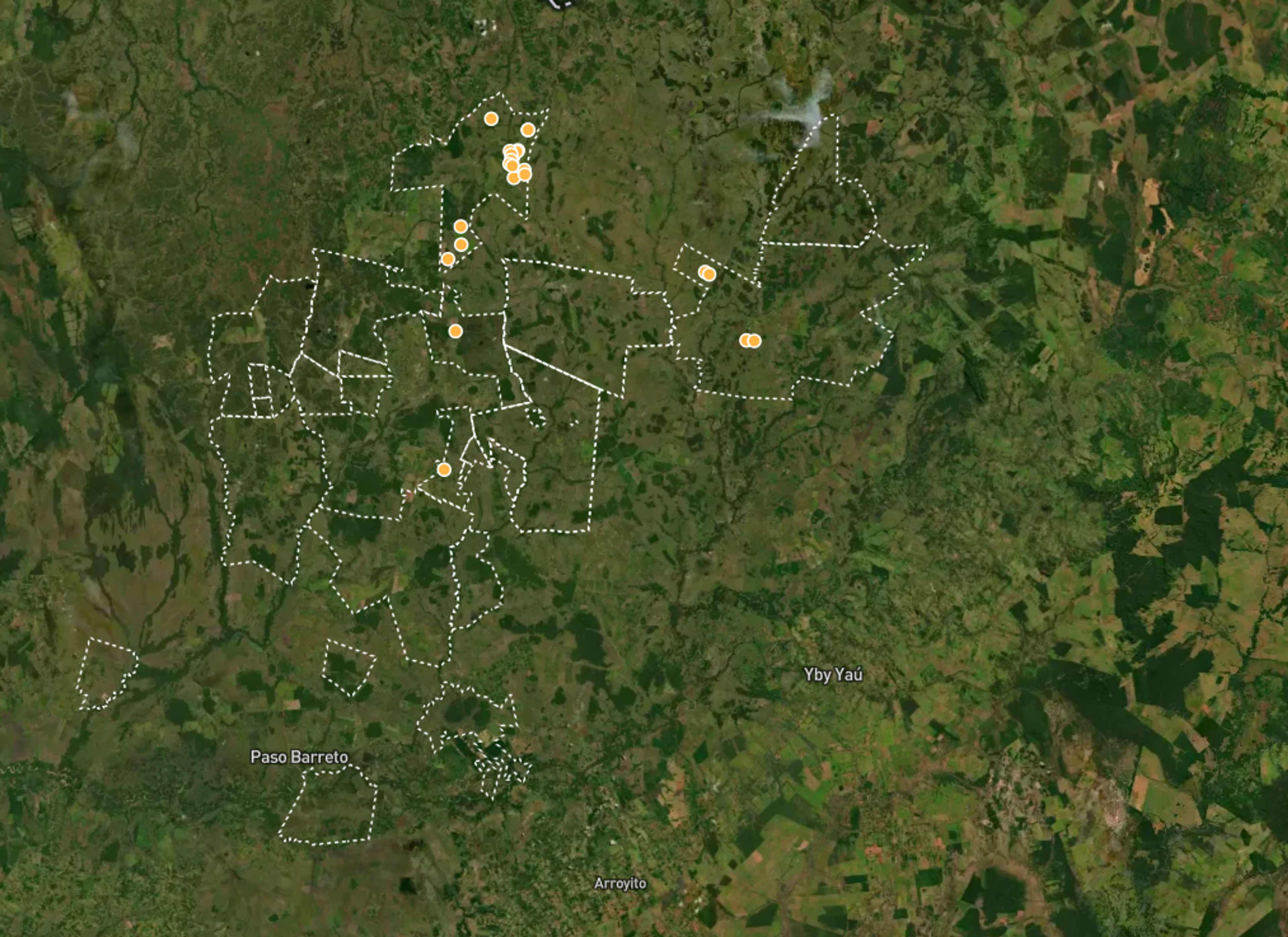
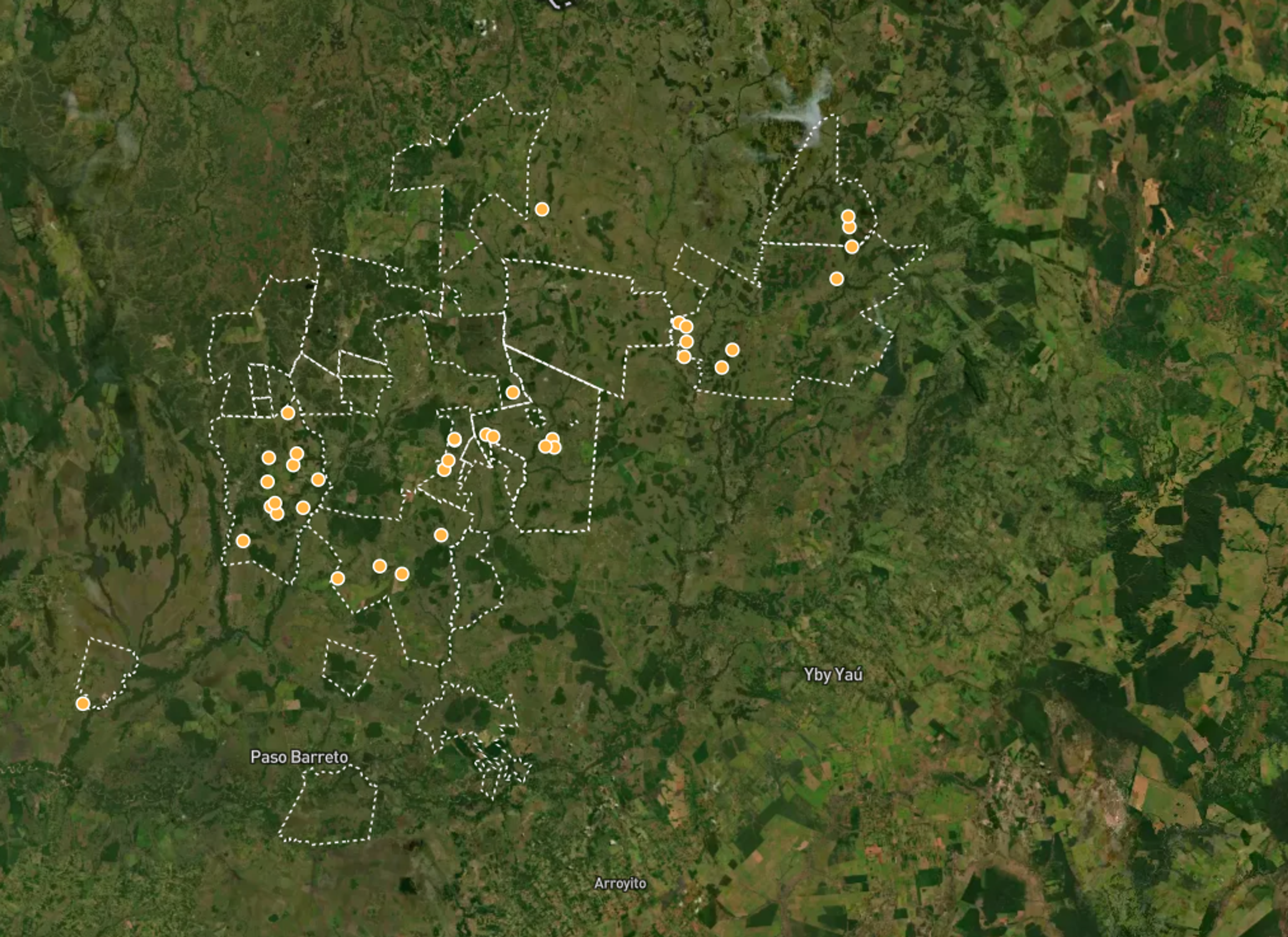
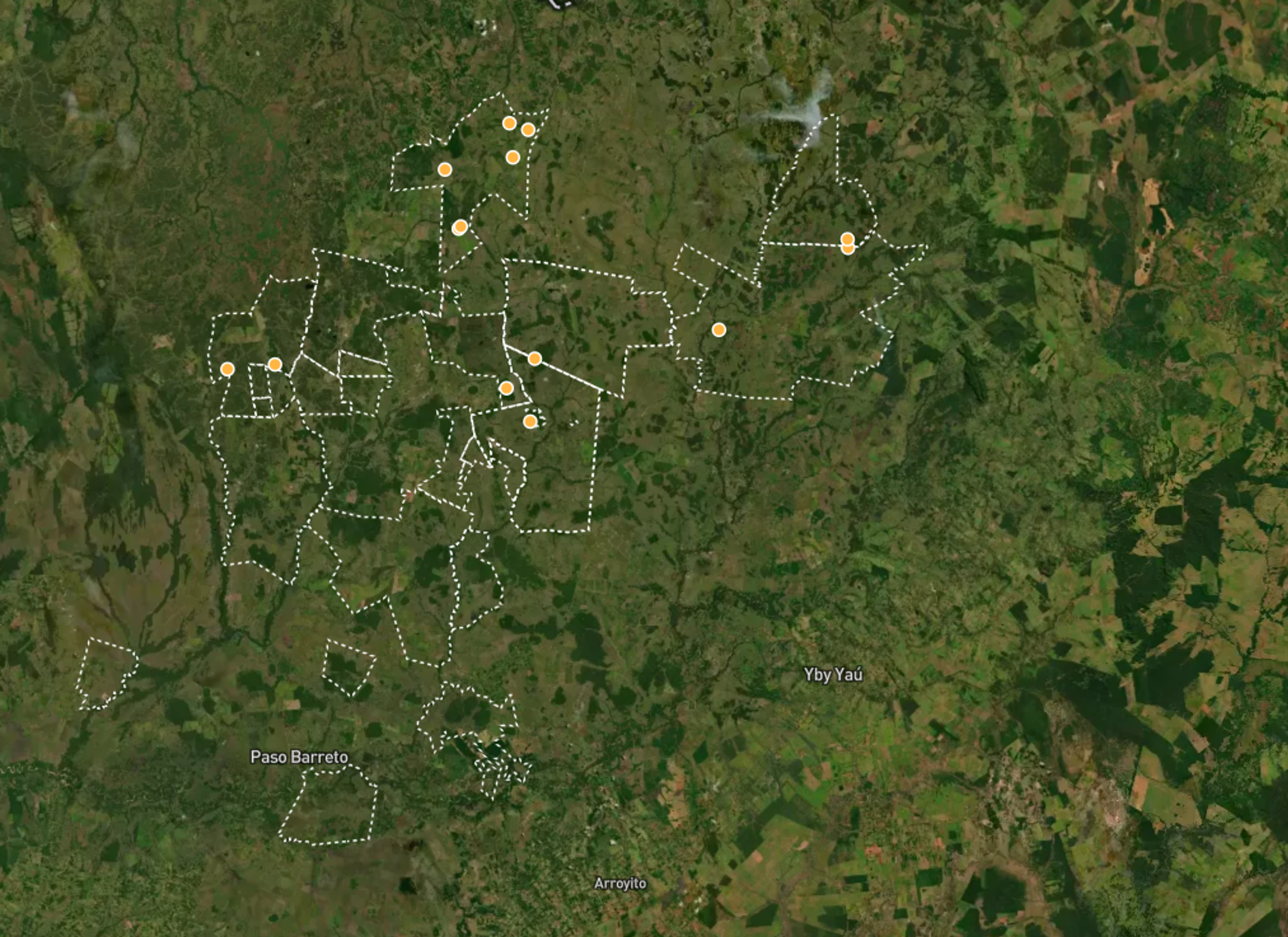
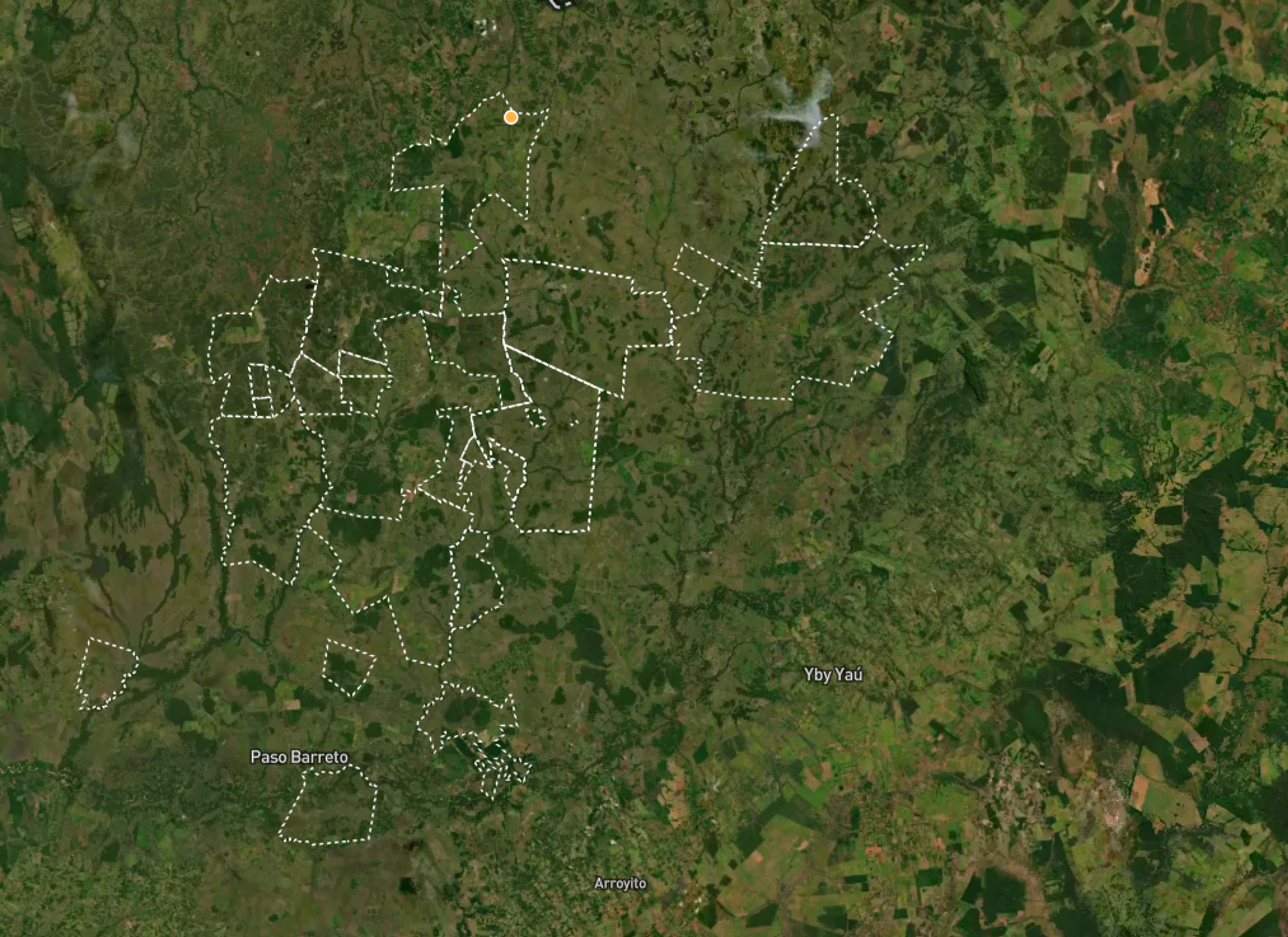
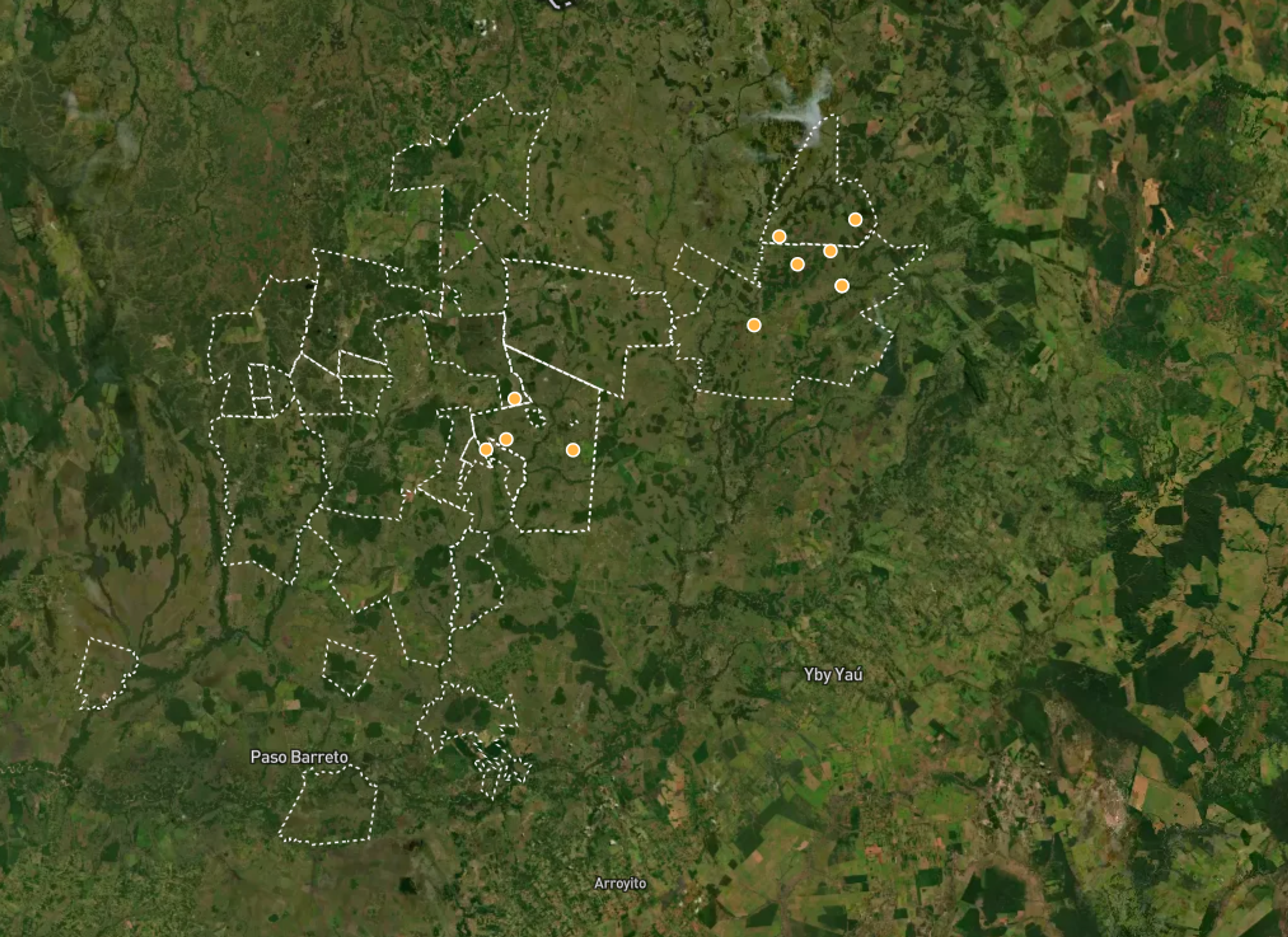
Un enfoque de paisaje para conservar la biodiversidad
Paracel integra producción forestal, conservación, restauración y desarrollo local
Una gestión territorial que busca generar beneficios duraderos para la naturaleza y las comunidades.
✓ Planificación territorial basada en ciencia: cada propiedad es evaluada mediante la metodología MATES (Microplanificación Ambiental Técnica, Económica y Social), que define las áreas destinadas a producción, conservación o restauración a partir de criterios ambientales, sociales y técnicos.
✓ Conservación desde el diseño: bosques nativos, sabanas, humedales, cursos de agua y otros ambientes sensibles son identificados y protegidos desde la planificación, quedando excluidos del desarrollo forestal.
✓ Restauración ecológica: Paracel impulsa la recuperación de áreas degradadas mediante acciones de restauración y regeneración natural, con especial atención a las sabanas del Cerrado.
✓ Investigación e innovación: el proyecto desarrolla estudios y ensayos junto a especialistas y trabajo conjunto con universidades para mejorar continuamente las estrategias de restauración y conservación.
✓ Monitoreo y mejora continua: la biodiversidad se monitorea de forma permanente para evaluar resultados y fortalecer la gestión basada en evidencia científica.
Hidrología
El agua como eje del diseño del paisaje
La gestión del agua se incorpora desde la planificación. Áreas sensibles como bosques ribereños, humedales y nacientes son protegidas para contribuir a la conservación de los recursos hídricos y la biodiversidad.
✓ Monitoreo hidrológico: Paracel realiza un monitoreo de largo plazo de las microcuencas para evaluar la cantidad y calidad del agua, apoyando una gestión adaptativa basada en evidencia.
✓ El agua también se monitorea: el seguimiento continuo de las microcuencas permite verificar el desempeño de las prácticas de manejo y promover la mejora continua en la gestión de los recursos hídricos.
Lo que hace posible el impacto del Proyecto Forestal de Carbono de Paracel es su gran escala en múltiples dimensiones.
Área
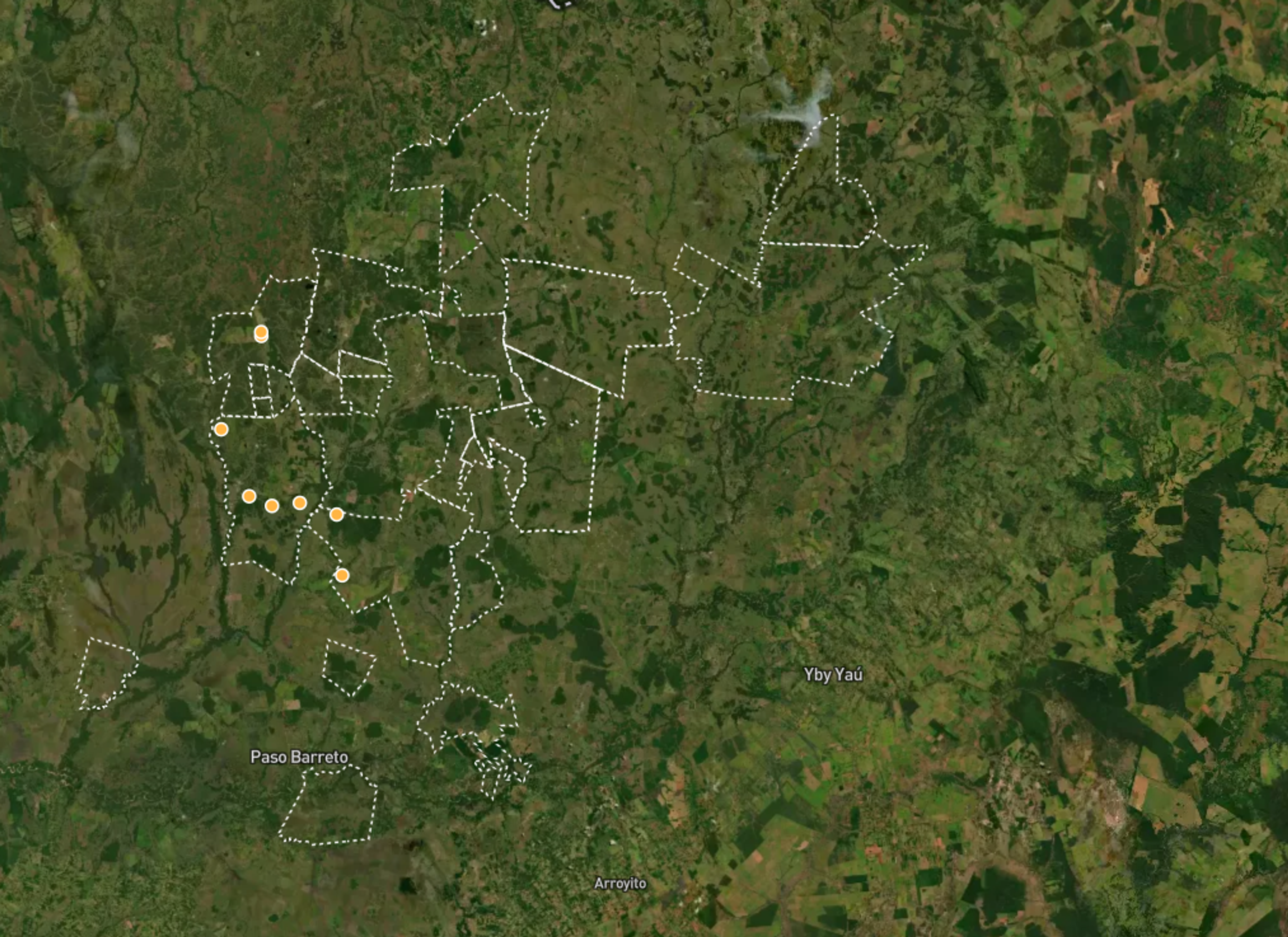
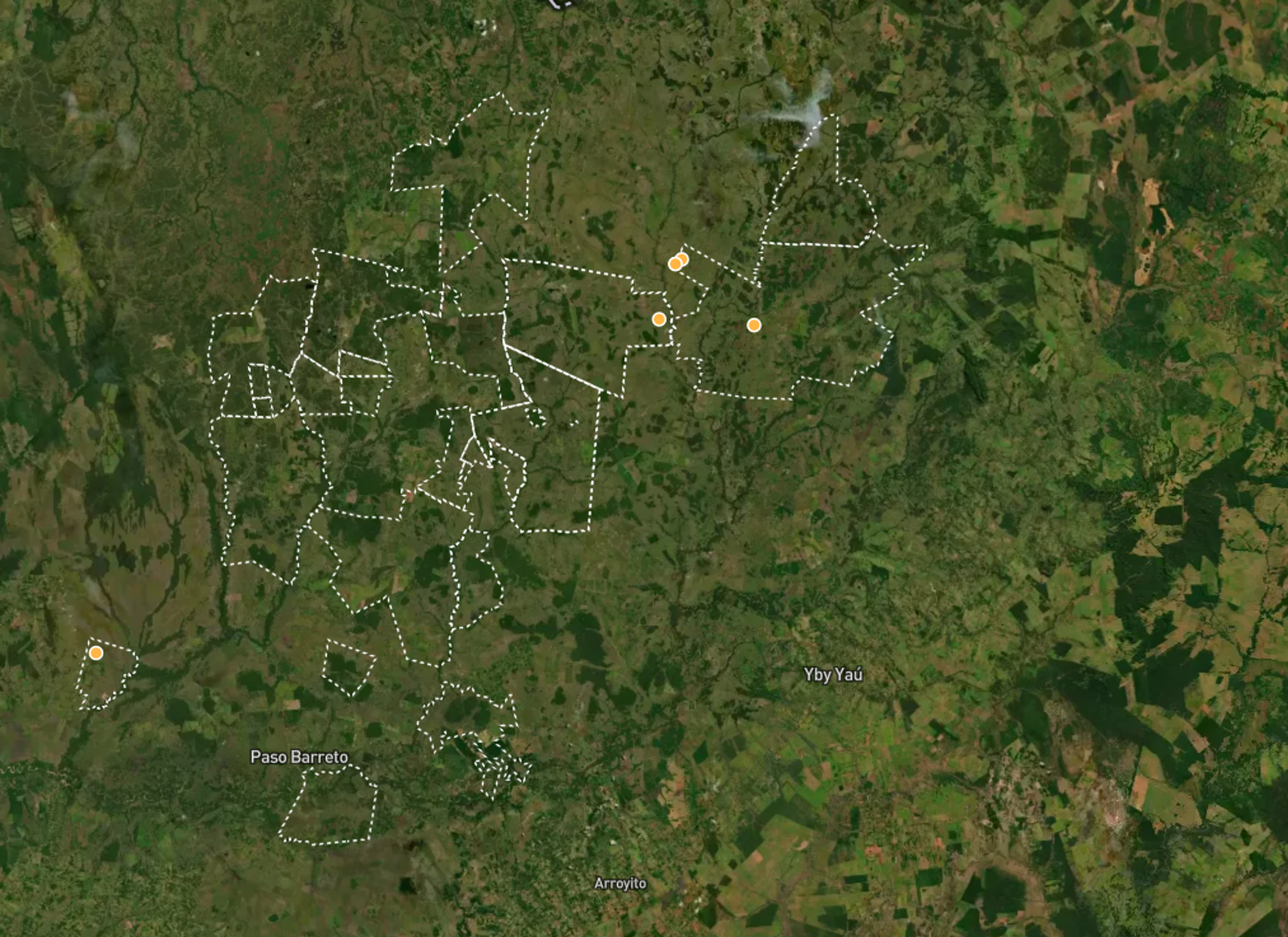
203.000 ha, y sumando

Paracel cuenta con más de 208.000 hectáreas, de las que el 54% están dedicadas a plantaciones forestales, el 42% a áreas de conservación y restauración y el 4% a otros usos.
El proyecto Forestal de Carbono fue diseñado de forma agrupada, lo que permite incorporar progresivamente nuevas áreas elegibles a medida que avanzan las operaciones. Esta estructura facilita la inclusión tanto de propiedades propias como de áreas desarrolladas en conjunto con productores fomentados, siempre que cumplan con los criterios establecidos por el proyecto y los estándares de certificación. Gracias a este enfoque escalable, el proyecto tiene el potencial de expandirse hasta aproximadamente 230.000 hectáreas, amplificando su impacto positivo para el clima, la biodiversidad y las comunidades.
Área
Nuestra superficie ya es un 25% mayor que la de Gran Londres.

El actual emplazamiento de Paracel es enorme: es aproximadamente un 25% más grande que el Gran Londres. Y, a medida que se añadan nuevas parcelas en el futuro, seguirá creciendo.
Aforestación
Plantamos 160.000.000 de nuevos árboles de producción.

Con más del 50% de las tierras de Paracel dedicadas a la forestación, tenemos previsto plantar más de 160 millones de árboles de producción.
Canal oficial